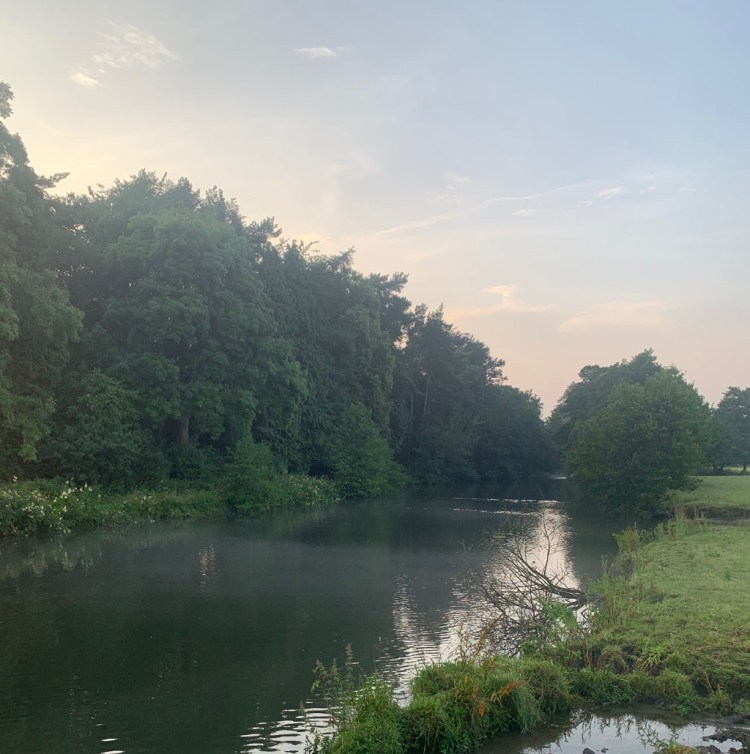
Featured

Monsal Trail and Surrounding Areas – Walk or Bike Ride – 8 1/2 miles


Monsal Trail and surrounding areas, with details of sights to see, where to get refreshments and some historic information.

The Monsal Trail is a fantastic 8 ½ mile, traffic free trail that runs through some of the finest scenery in the Peak District. It is open to walkers, horse riders, cyclists and wheelchair users.

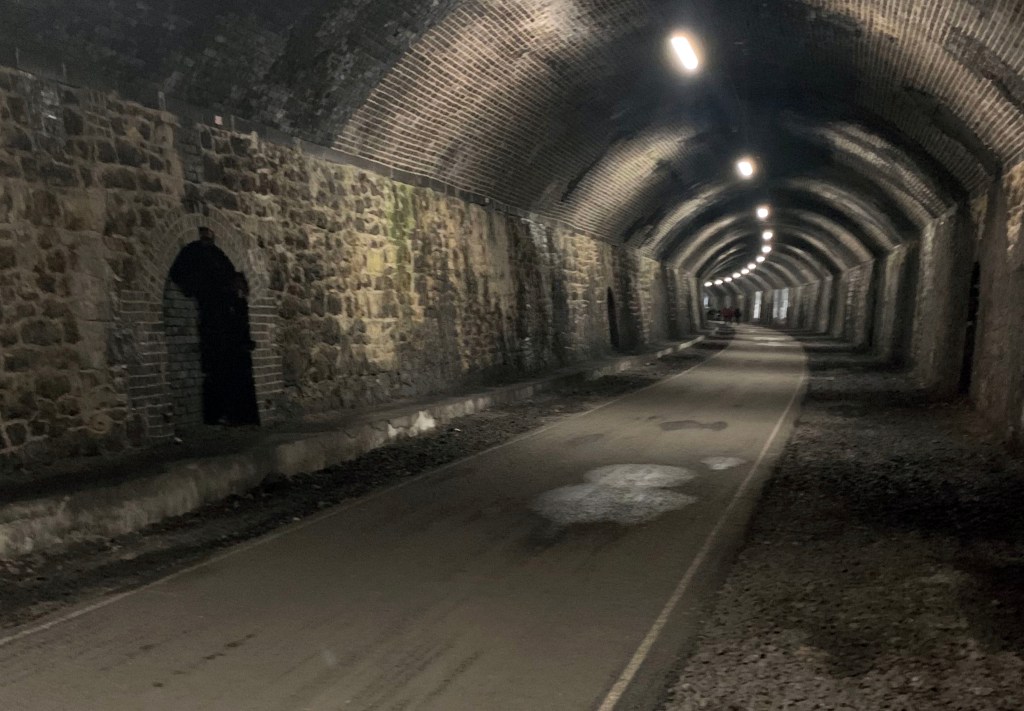
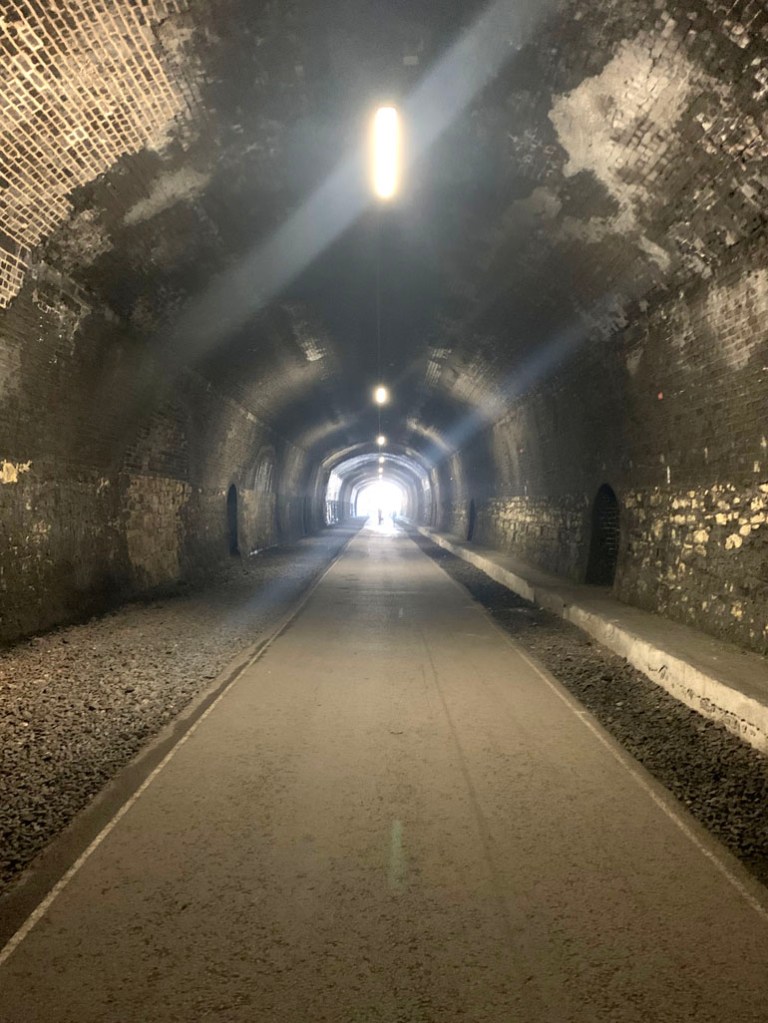
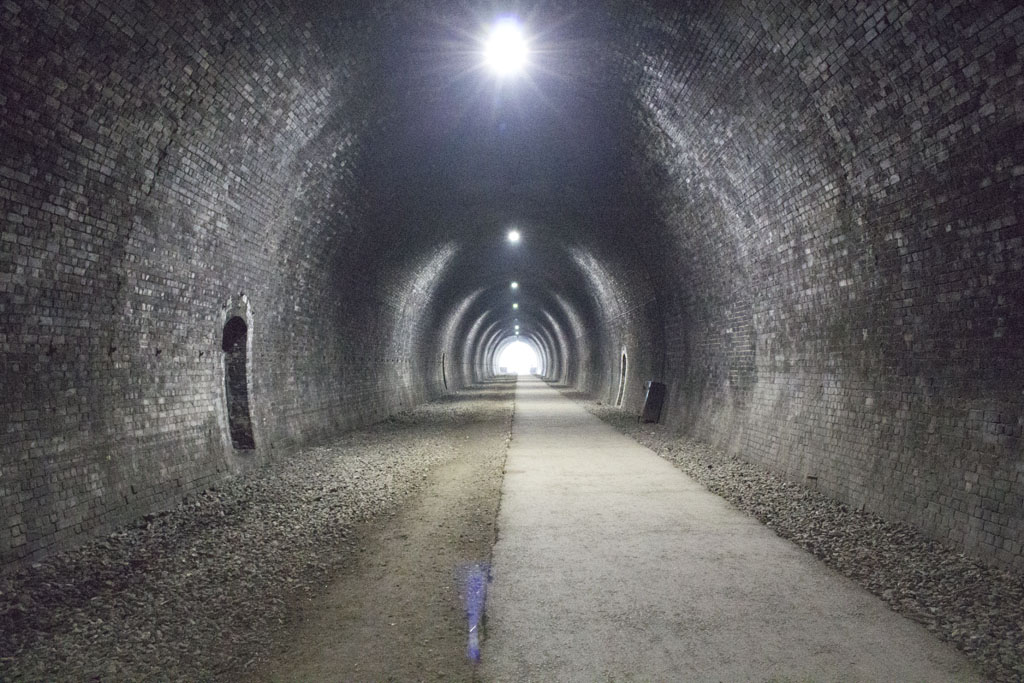
It is on the site of the old midland railway line, that ran from Buxton to Bakewell, which was closed in 1968. The line was disused for many years, and was finally opened as the Monsal Trail in 1981. Only two shorter tunnels, Chee Tor No.2 and Rusher Cutting were open at this time with diversions in place around the four other tunnels, Headstone Tunnel, Cressbrook Tunnel, Litton Tunnel and Chee Tor Tunnel. The tunnels were made safe using a nearly £4m grant and were opened to the public in 2011.

There is currently a campaign to re-open the trail as a railway line by The Manchester and East Midlands Rail Action Partnership (MEMRAP). There is strong opposition to the proposal with over 15,000 people signing a petition to “Save the Monsal Trail”. The proposal is not supported by the local council and was rejected in 2022.

The trail has many places of interest along the route, with old stations that have been repurposed, wonderful views and spectacular scenery. Some of the highlights include the picture perfect Headstone Viaduct, the Lime Kilns and Cressbrook and Litton Mill.

If you need somewhere to stay in the area, we have a lovely cottage is Ashbourne available year round: Aldergrove Cottage
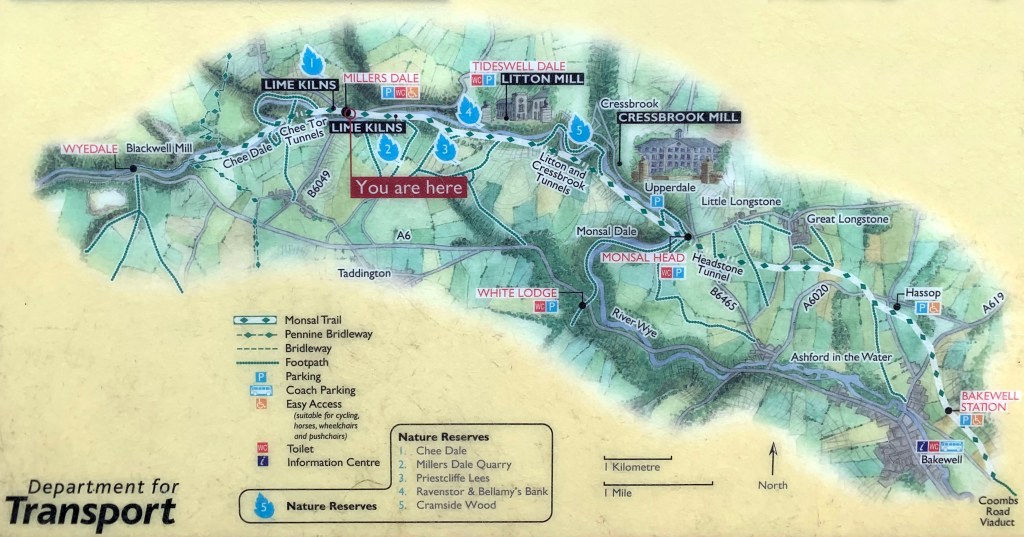
Monsal Trail Map
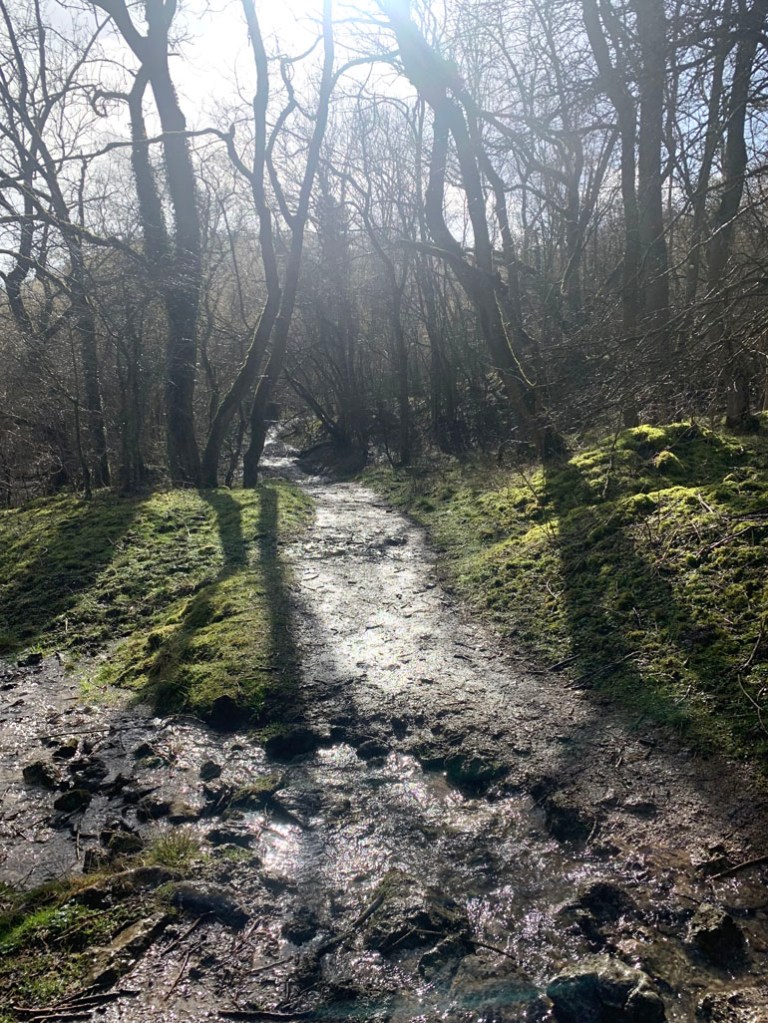
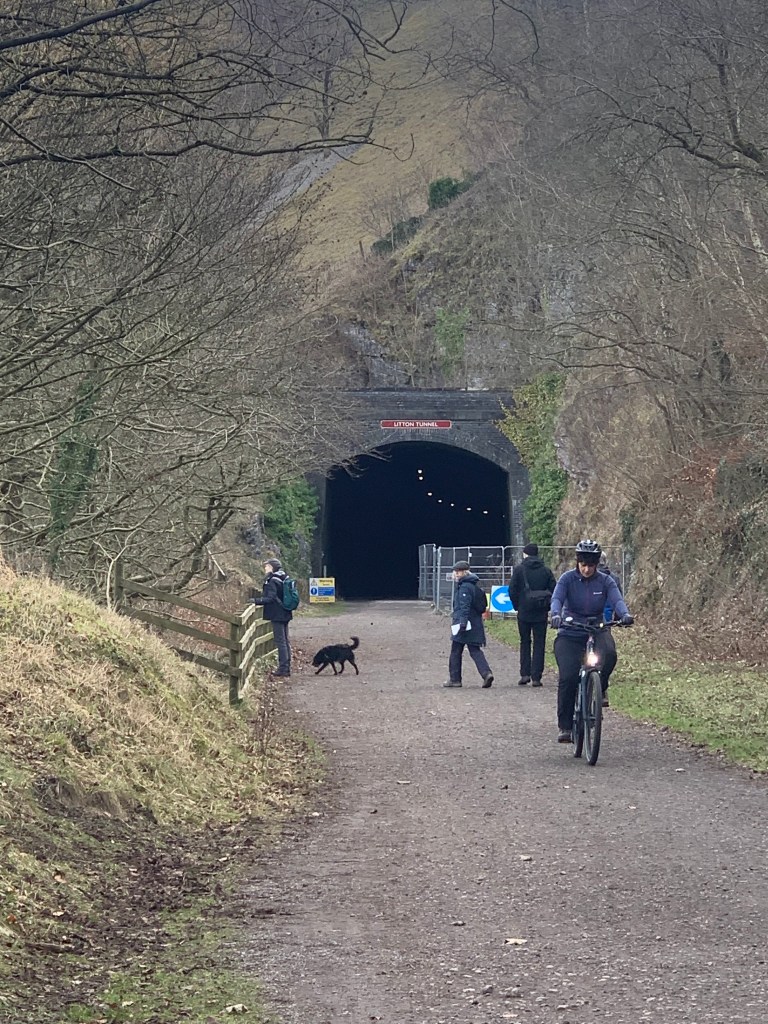
Monsal Trail – Litton Tunnel
Tunnel on the Trail

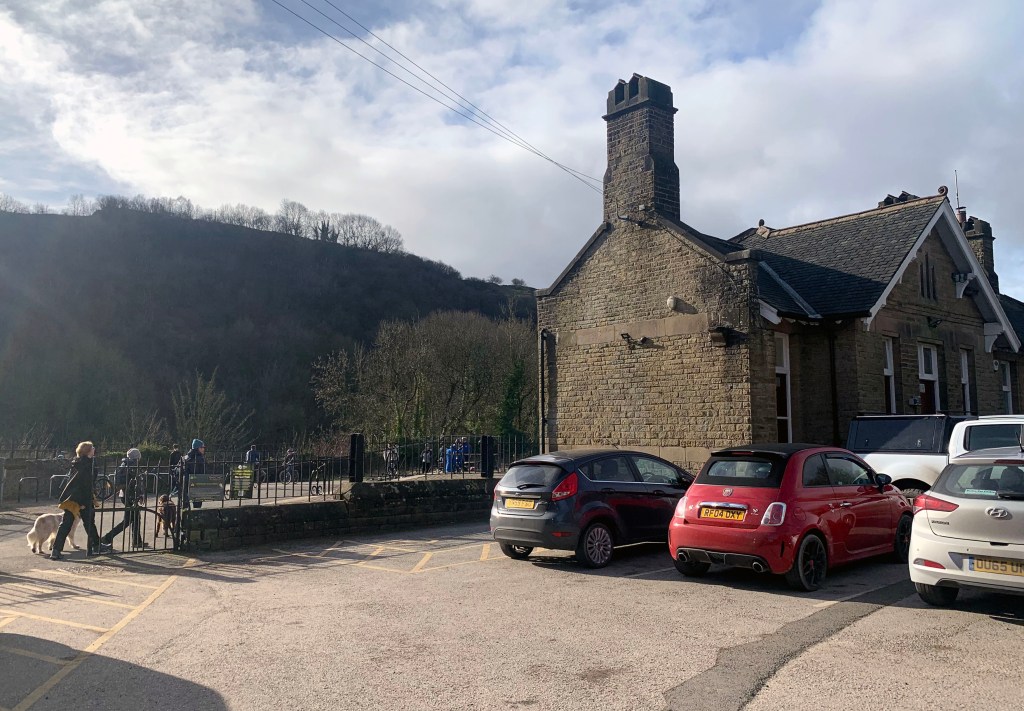
Millers Dale Station

Once the largest station on the Midland Line

Built in 1863 by the Midland Railway, Millers Dale was an important railway junction, where Buxton passengers made connections with express trains running between London and Manchester

The station originally had two main platforms but in 1905, three further platforms were added as well as the construction of a second viaduct across the valley. It was one of the few stations in England to have a Post Office.

Millers Dale was a hive of activity with farmers bringing in milk every morning to catch the ‘Milk Train’ whilst visitors came to seek the country air.

Millers Dale began to grow as a community with new houses built for the railway workers, lime-burners and quarrymen. Two hostelries were built to cater for both the workforce and the visitors brought by the railway.

The railway also brought industry with it for it provided much easier access to the rich limestone deposits. It also meant that large quantities of stone could be transported and this is when intensive quarrying began. Quarries expanded and in 1876 a lime works opened up above the station, with a series of lime-kilns built alongside the track.

After the closure of the Railway in 1968 the station gradually fell into disrepair, and some of the station building are now long gone.

The main buildings remain however, now acting as a café and visitor information point, public toilets and exhibition. The station waiting area and booking office was re-opened as a cafe now known as the Refreshment Rooms in 2019, following an extensive £230,000 restoration led by the National Park Authority. In 2022 the former goods shed re-opened after a £330,000 EU-funded restoration and now includes a self-guided interpretive and information exhibition open at all times when the café is in operation.
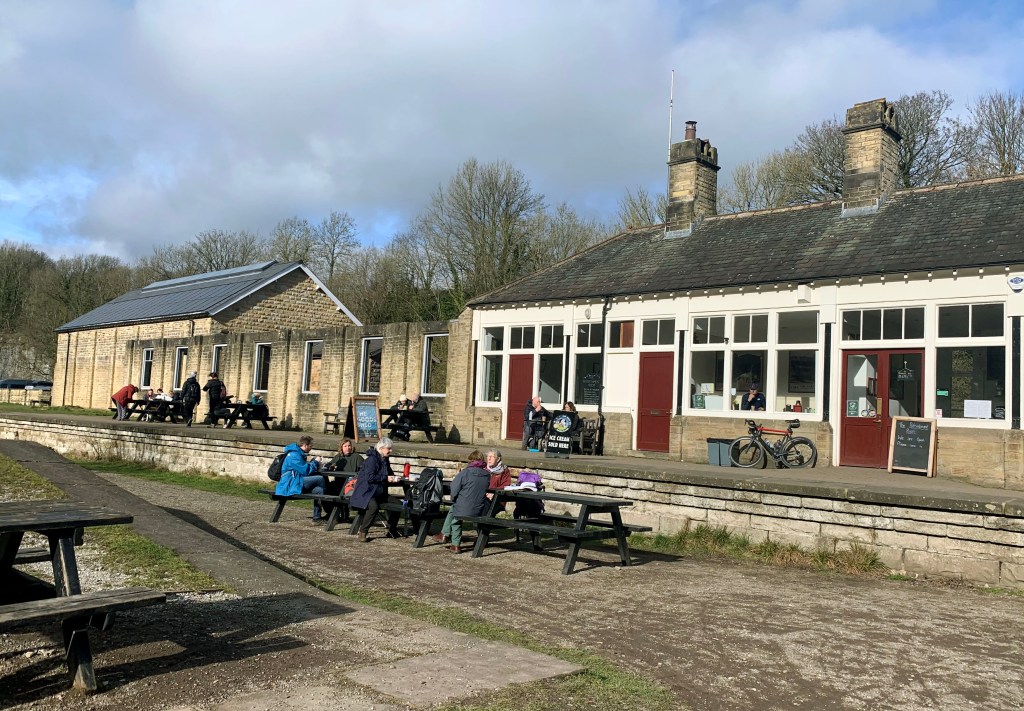
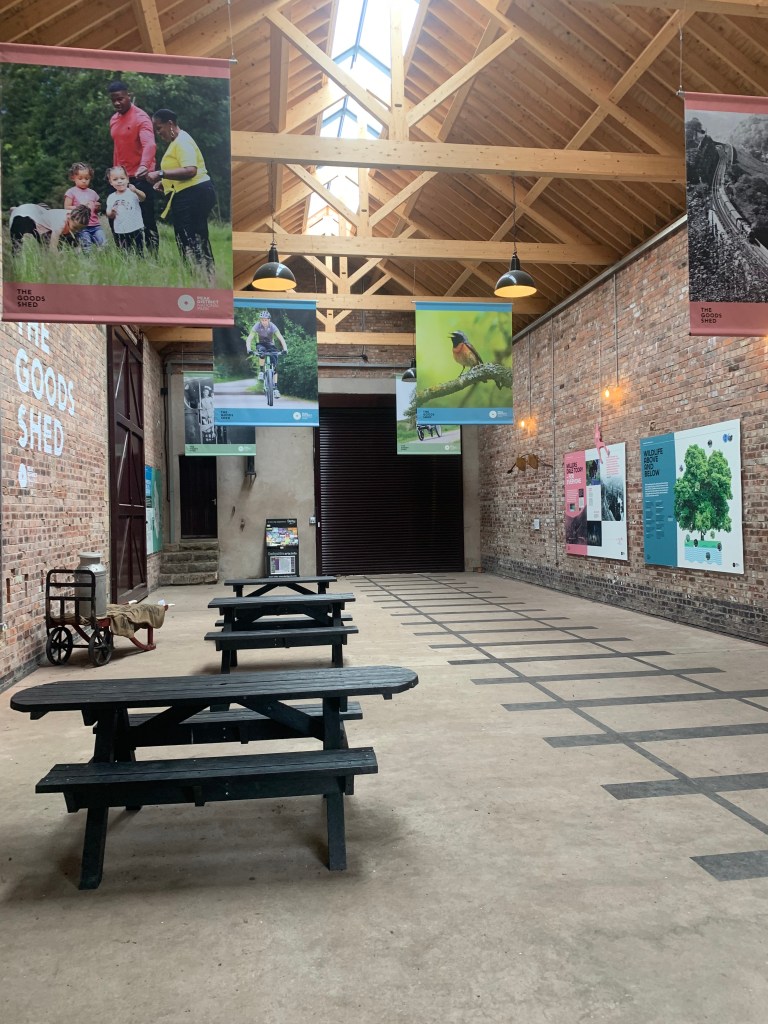
Millers Dale Station
The Goods Shed – Millers Dale Station
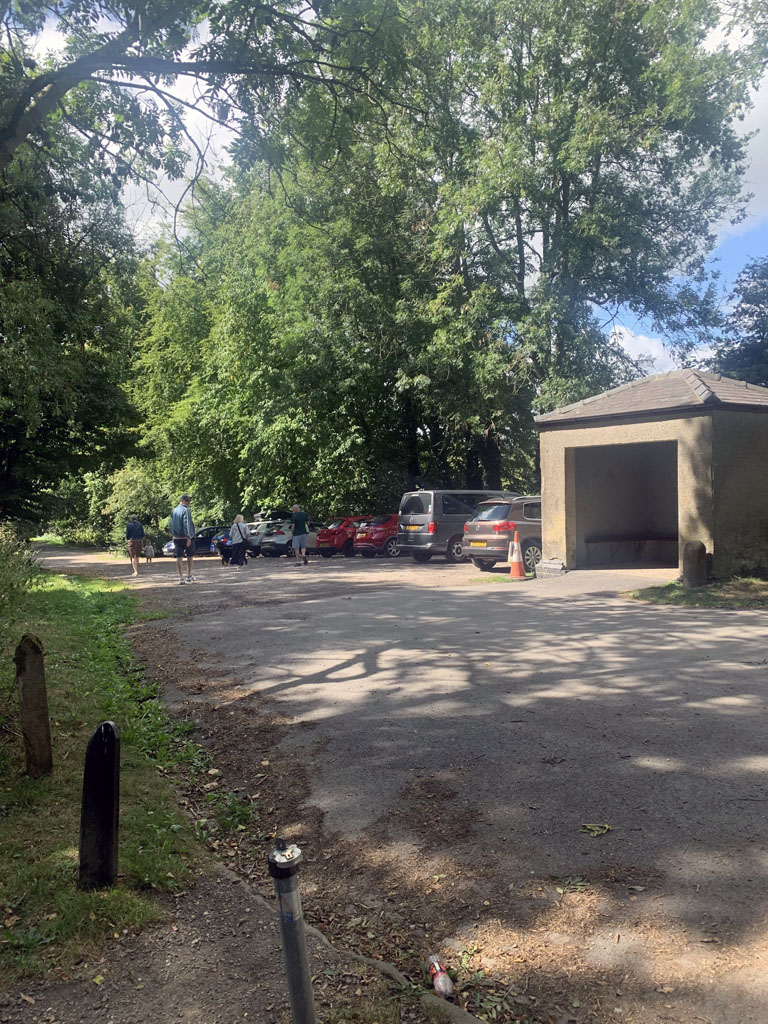
Millers Dale Car Park

Lime Kilns and abseiling bridge

A short walk down the trail from Millers Dale Station are the spectacular and monolithic Lime Kilns. They produced up to 50 tonnes of quicklime per day at the height of production. They opened in 1880 and produced lime for use in agriculture and building up until 1944. The huge concrete buttresses were added in the 1920s to help stabilise the structure.

Today the kilns are wildlife havens with swifts and bats nesting in the structure.

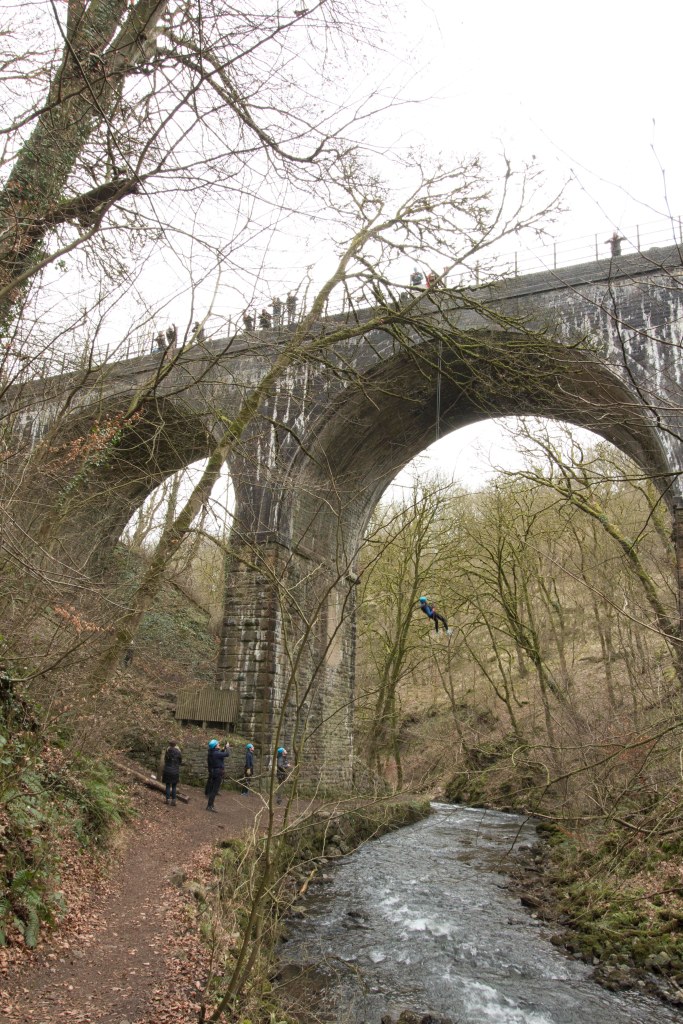
Just a short walk on from the lime kilns there is a bridge where there is organised abseiling, there are details at Millers Dale station on how to book.
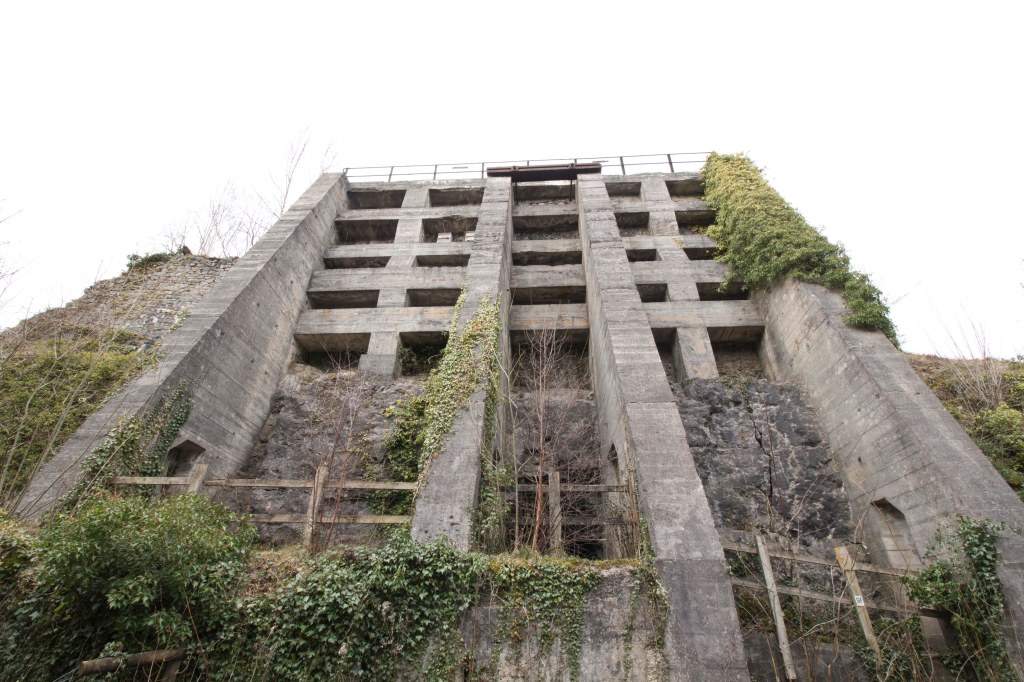
Lime Kilns
Abseiling Bridge

Cressbrook Mill

John Baker, a hosier and entrepreneur developed the site of Cressbrook Mill in the 18th century. He constructed a distillery for peppermint, lavender and other aromatic herbs which he grew or found locally. He erected the first Cressbrook Mill building about 1785 but this was destroyed by fire. A new mill was then built and taken over by Sir Richard Arkwright. Arkwright died in 1792 and Cressbrook Mill changed hands yet again. In 1815 the impressive 12-bay Georgian building was erected by William Newton.

In 1835 Cressbrook Mill was bought by Henry McConnel,

The later Cressbrook Mill had two waterwheels using water from the Wye which was especially damned. In 1890 water turbines were installed. Cotton doubling was still in operation until 1965 but after that Cressbrook Mill was used for a time by a firm manufacturing nylon yarns. The mill closed in 1971 and stood empty for several years before being redeveloped and is now in private ownership.
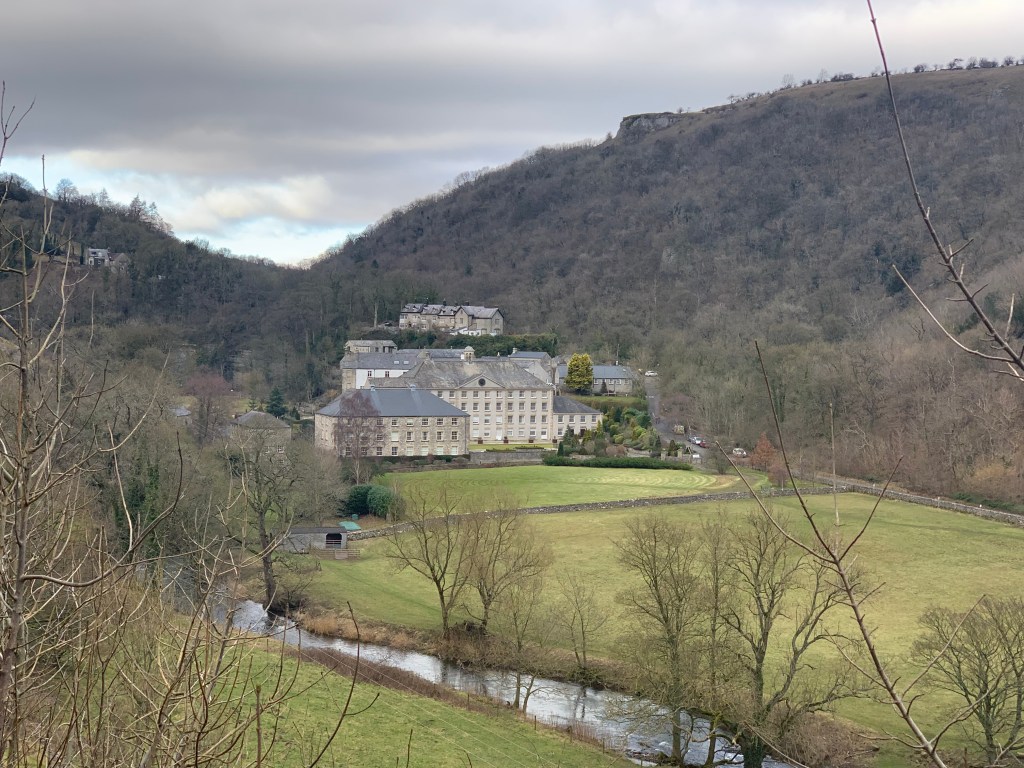
Cressbrook Mill

Litton Mill

Litton Mill was founded 1782 by Ellis Needham and Thomas Frith, both farmers with small estates in the area. The mill was powered by the water of the River Wye, using Richard Arkwright’s water frame. It could be said that the company was doomed from the start. Needham, in particular, had sunk most of his assets into the venture. The valley was particularly isolated and transport for the raw material and finished goods was poor. Moreover, they had difficulty in attracting a workforce.

In order to get the labour need to run the mill Needham and Frith took on pauper children as apprentices, who suffered appalling conditions and work practices.

By 1786 the, barely profitable mill was put up for sale. There were no buyers and Needham and Frith struggled on. Needham’s money had gone and he was farming on rented land, while Frith left the partnership in 1799.

After a general depression in the industry, a serious fire, and the waterwheel breaking and out of action for a month Needham was bankrupt and had been given notice to quit. By 1828 he was a pauper.

The mill was operated for a time by the Newtons of Cressbrook Mill but was destroyed by another fire in 1874. Very little remains of the original mill.

In 1893 Mr Matthew Dickie, took over Litton Mill. He set up a Litton & Cressbrook Mills Company and Cressbrook Mill was also taken over. Litton Mill was sold to a syndicate in 1934. It is now in private hands.

Monsal Head Viaduct

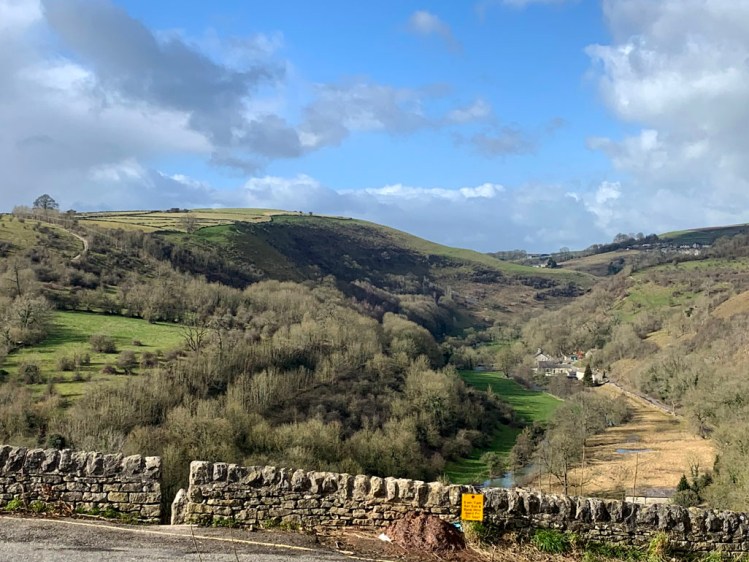
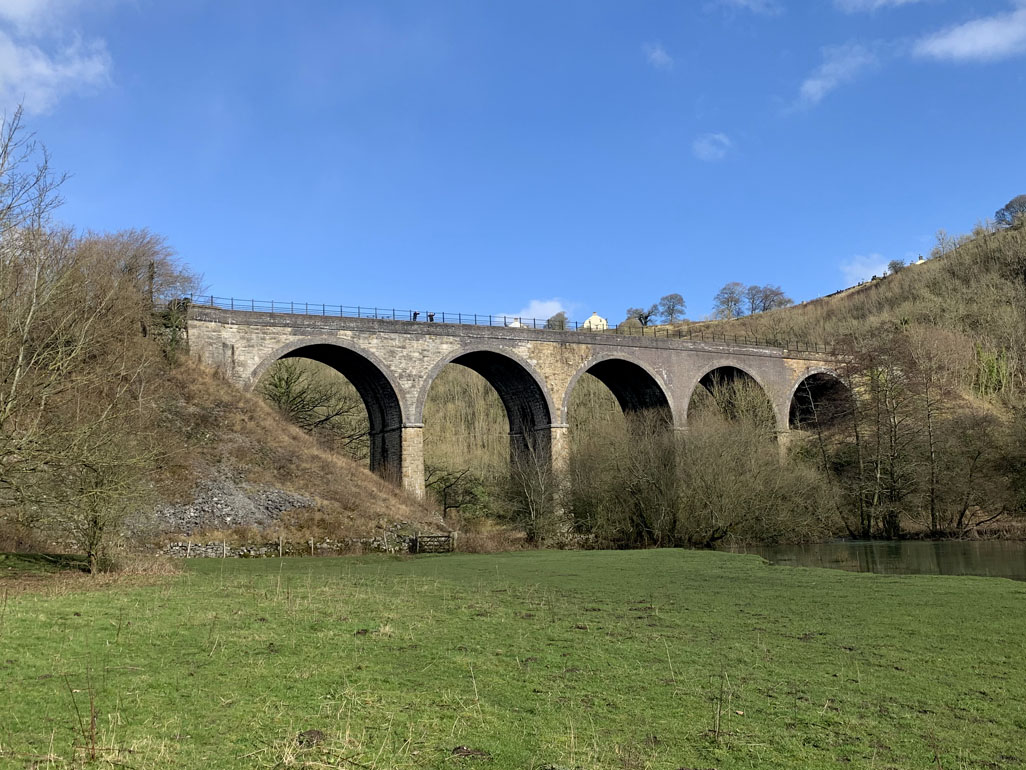
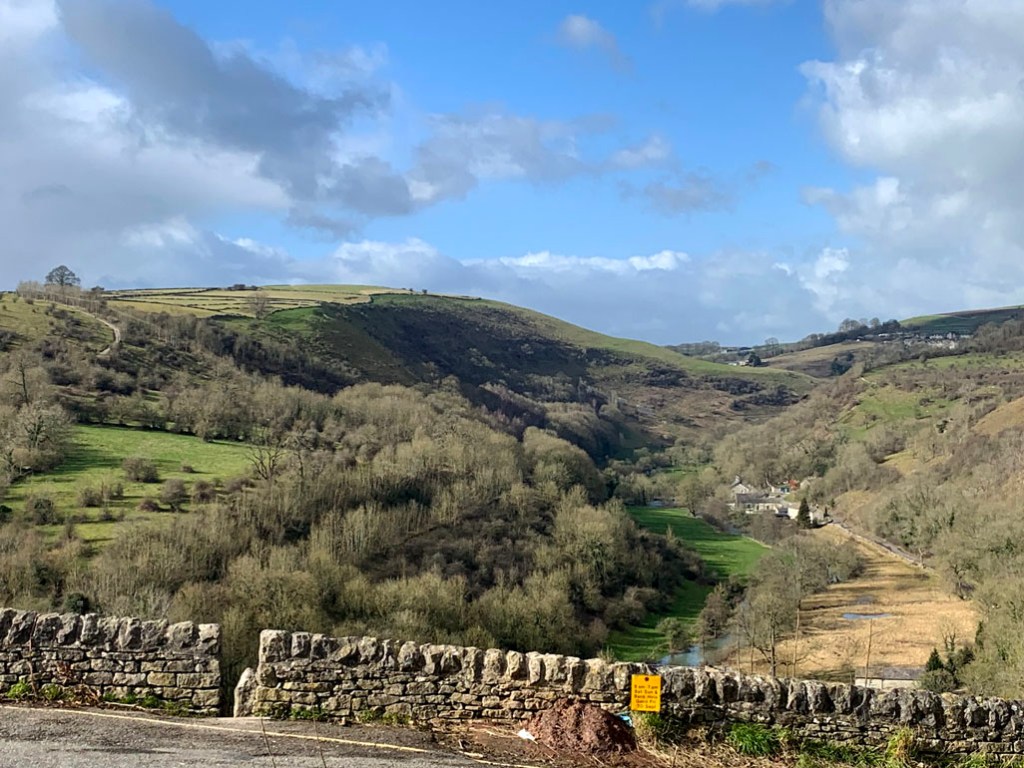
One of the most photographed structures in the Peak District the iconic viaduct is part of the Monsal Trail. You can walk a fairly steep path up to Monsal Head to enjoy the view of the valley and the River Wye. There are refreshments available here and also car parks, toilets, guest houses, hotel, pub, cafes and gift shop

Built by the Midland Railway in the 1860s, the viaduct’s name seems to change with the seasons – some call it ‘Headstone’, others know it as ‘Monsal Head’, ‘Monsal Dale’ or just plain ‘Monsal’.

Leading culture critic John Ruskin thought it was a hideous blot on the landscape, commenting that “There was a rocky valley between Buxton and Bakewell, once upon a time, divine as the Vale of Tempe… You Enterprised a Railroad through the valley – you blasted its rocks away, heaped thousands of tons of shale into its lovely stream. The valley is gone, and the Gods with it; and now, every fool in Buxton can be in Bakewell in half an hour, and every fool in Bakewell at Buxton; which you think a lucrative process of exchange – you Fools everywhere.”

Following slippage of the structure, significant remedial work took place in 1907. It’s five arches have a 50-foot span, contributing to an overall length of 300 feet. The track sat 74 feet above the River Wye.

It 1970, a Grade II listing was placed on it and, since 1980, The Monsal Trail footpath has been accommodated on its deck.
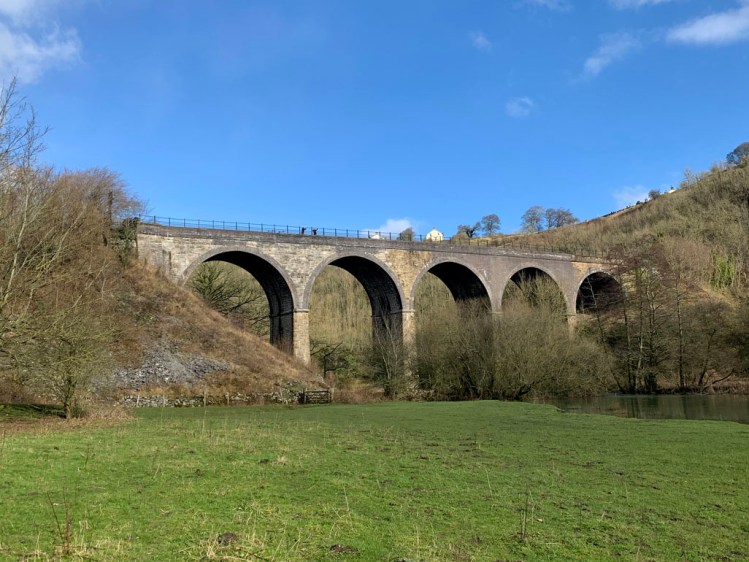
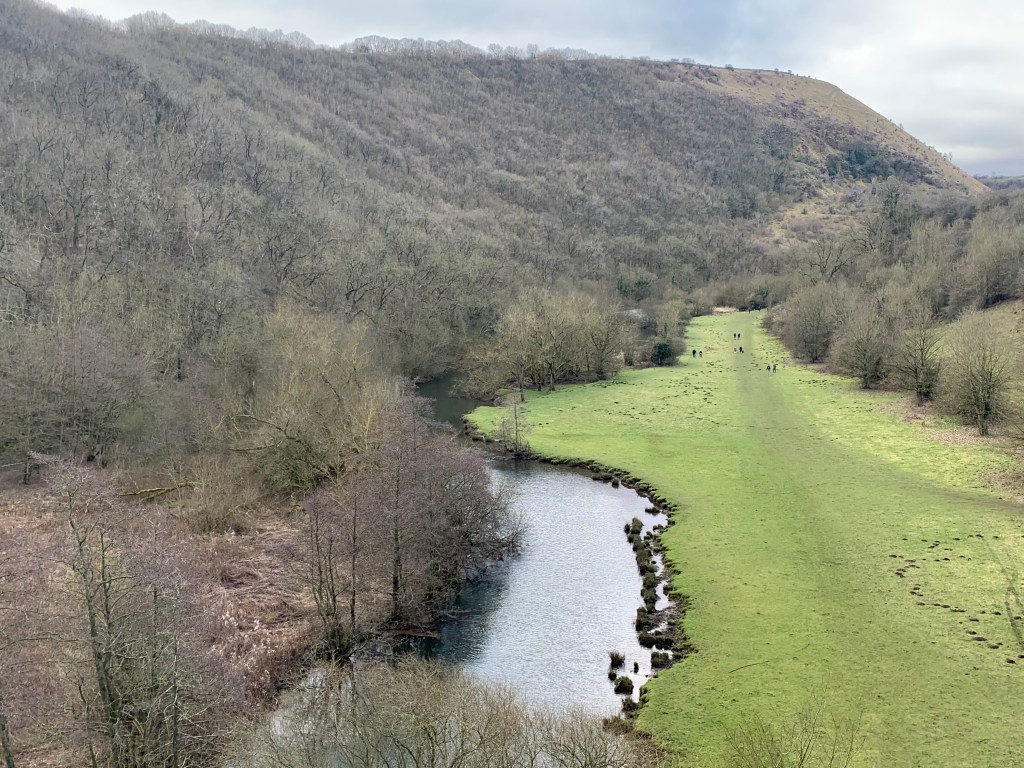
Monsal Head Viaduct
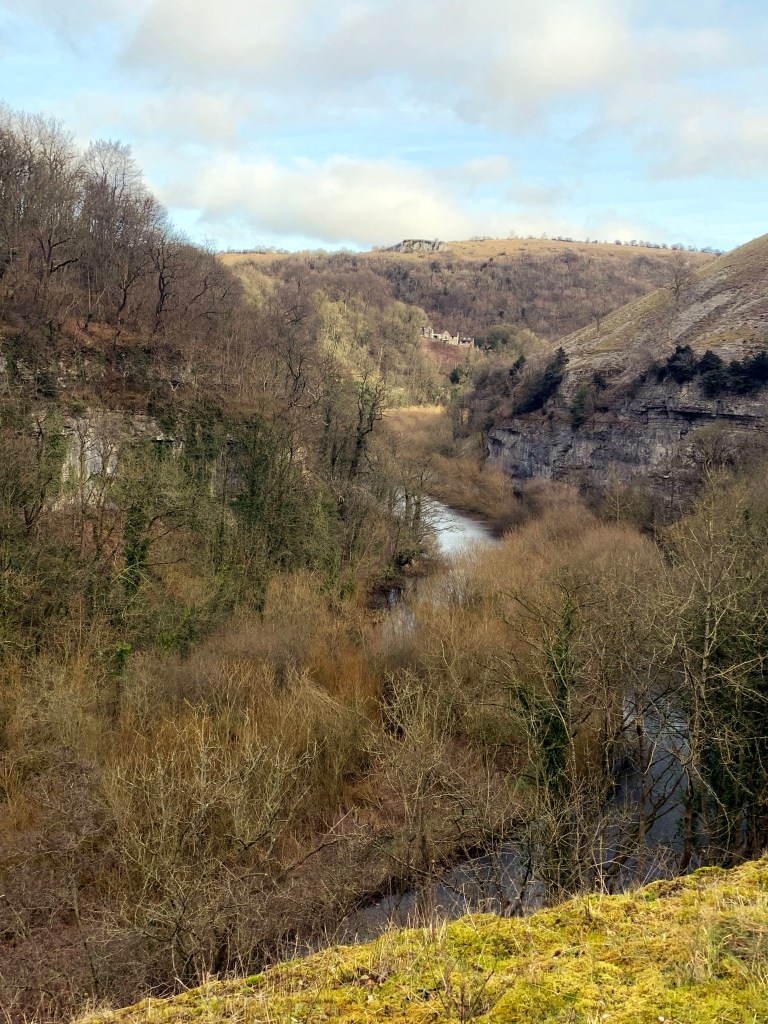
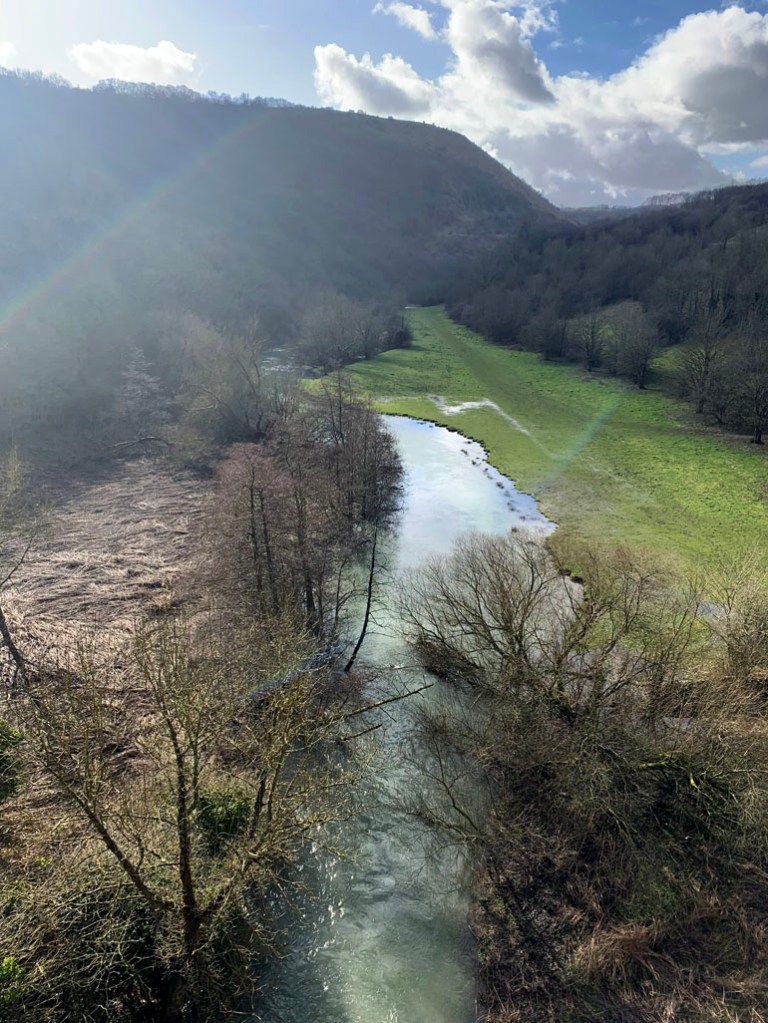
View from the Viaduct
View from Monsal Head

Hassop Station

Hassop Stations was one of the larger stations of the route from Buxton to Bakewell, it didn’t however have large passenger numbers, being quite a distance from the village of Hassop. It opened in 1862 and closed to passengers in 1942. The station completely closed in 1964. It was sold into private ownership and opened as a bookshop and café. Ownership changed in 2010 and the new owners have established a café, a small bookshop and cycle hire shop.

Hassop Station
Bakewell end of the Trail
River Wye

If you like this post, or have any suggestions, please get in touch, it would be good to hear from you. Also if you would like somewhere to stay in the area, we have a lovely cottage that is available for holidays and short breaks throughout the year. Aldergrove Cottage

We also have a facebook page, search for “letslive holidays”, or click the link below. Please like, share and follow us, it is really appreciated.
https://www.facebook.com/LetsLive-Holidays-103806115442908

Featured

Tissington Trail Bike Ride – Rides in The Peak District and Derbyshire Dales Pt1 – Tissington Trail, from Ashbourne to Parsley Hay 14 miles.


This is the first of a series of bike rides around the Peak District. It starts at Ashbourne and finished at Parsley Hay, at the end of the Tissington Trail

The Tissington Trail is 14 miles long starting in Ashbourne and finishes at Parsley Hay. It connects up with the High Peaks Trail just south of Parsley Hay.

History.

The trail runs on the old Buxton to Ashbourne railway line that originally opened for trains in 1899.

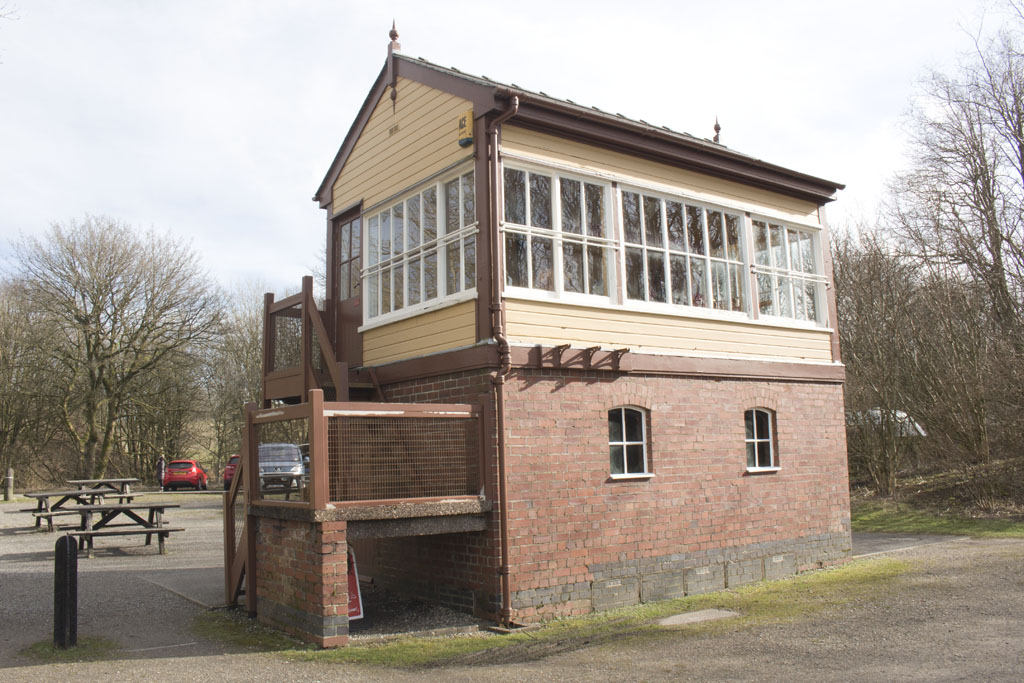
The railway line was closed as part of the Beeching cuts, in 1967. It was acquired by the Peak Park Joint Planning Board in 1968, and they removed the track, platforms and stations. You can still see some of the platforms in places along the trail. The signal box at Hartington Station was spared and is now used as an information centre, and a small café (not always open).

In 1971 the trail officially opened for walkers, cyclists and horse riders.

In 1980 The Seven Arches Viaduct at the Ashbourne end of the trail collapsed during routine maintenance work, there is now a steep decline and incline where the viaduct once stood.

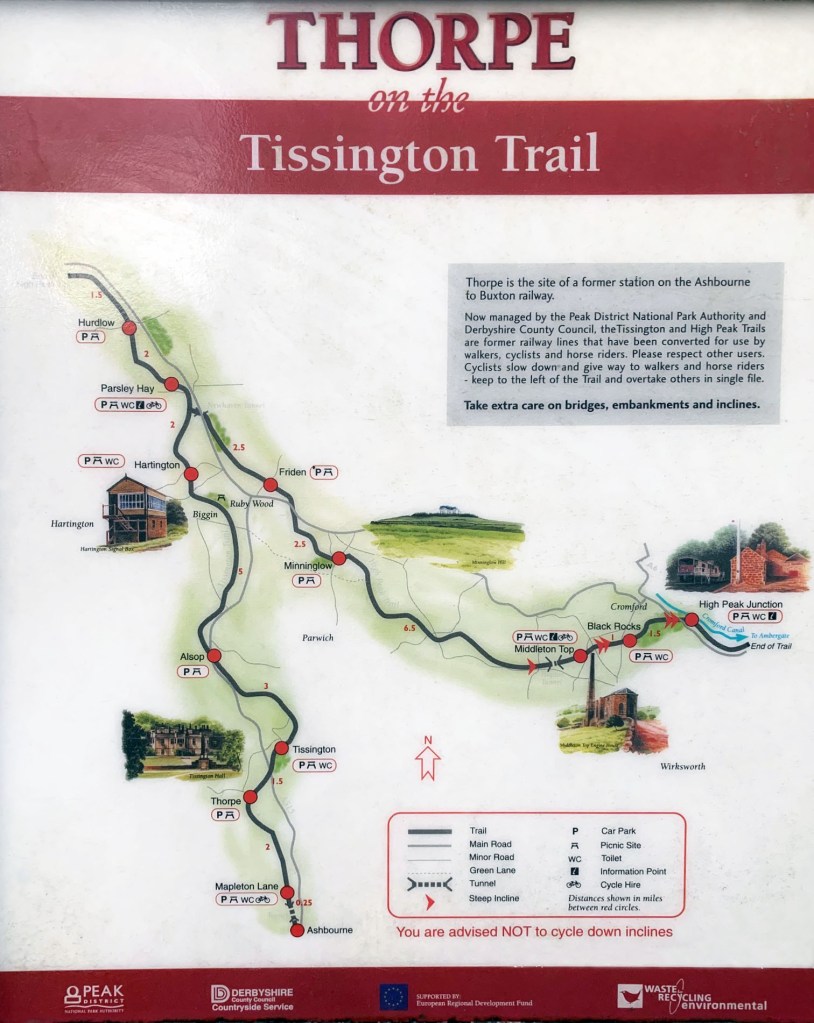
Map of the Tissington Trail

About the Trail

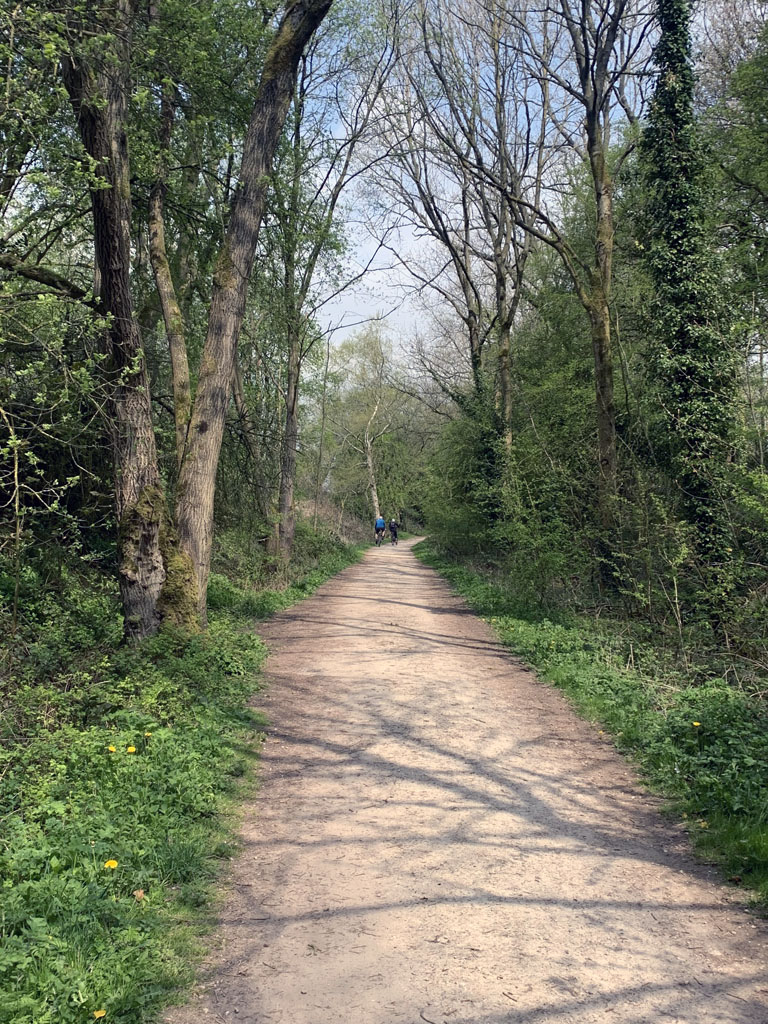
It is a traffic-free route available for walkers, cyclists and horse riders. It is mostly flat with a few small inclines, making it suitable for all ages.

The trail starts in Ashbourne through a 100m tunnel, that leads to a car park with toilets and a bike hire shop. It ends at Parsley Hay, with similar facilities and also a café (see map).

The Trail passes through the Peak District giving wonderful views of the surrounding countryside. Passing through or close by to Dovedale, Thorpe, Hartington, Alsop and of course Tissington. It takes about three hours to walk, and about an hour to cycle the full length.

Cycling the Tissington Trail

Detailed guide to the trail.

I always consider the start of the Trail to be the tunnel in Ashbourne, located at the rear of the Tissington Trail car park in Ashbourne, accessed from Leisure Way via Clifton Road. It’s behind the swimming baths. If you are on foot, it is visible and easily accessed from Station Road. The tunnel is about 100m long, and has lights. This exits at the Mapleton Lane Car Park. There is quite a bit of parking here, as there is an overflow, but you do have to pay and display. There are some free car parks at Thorpe if you don’t want to pay. There are some toilets here, and a place to hire bikes.

Ashbourne Tunnel

As you head up the trail from here, you get to the site of the old Seven Arches Viaduct, it’s easy to spot as there is a steep slope down to Bentley Brook and another back up again. Just past here there is a public footpath on the left that heads up to Callow Top caravan park via a steep incline with good views from the top, and then down to the village of Mappleton where there is a good pub called the Oakover Arms. There are so many footpaths that cross and start from the trail, it is a good idea to invest in the OS Map of the area.

Footpath to Callow Top Caravan Park and Mappleton

The first major stopping point on the trail is the site of the long gone Thorpe Station, this is about an hour walk from Ashbourne. There is a free car park here, but little else. If you follow the road away from the trail you will also see another free car park opposite the Old Dog pub, which has recently re-opened. The village of Thorpe is about 500m down the road to the right of the pub. This is a good place to walk to Dovedale from, which is about 30 minutes away on foot.

Parking at Thorpe Station

As you carry on up the trail for another mile and a half the next stop is the site of the old Tissington Station. There are some toilets here, and a small take away café. You can park here, but you have to pay and display. If you follow the road away from the car park, it takes you into Tissington itself. A lovely little village, with historic old buildings, pond, St Mary’s church and Tissington Hall. The Hall and gardens are open at certain times of the year, but you will need to check in advance. On Ascension day every year the five wells are dressed in the village. It is well worth a small detour.

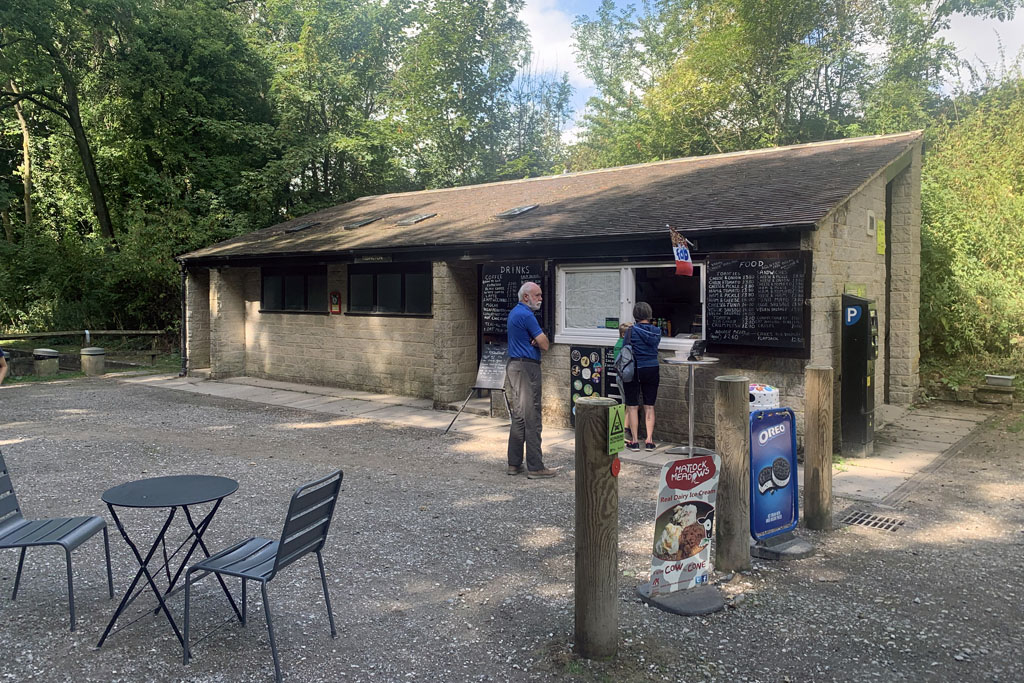
Tissington Station Café
Tissington Hall

The next stopping point on the trail is the old Alsop en le Dale station a further three miles on. There are no buildings here anymore, but there is a pay and display car park and some picnic tables.

Four miles from Alsop you get to Ruby Wood, a picnic area planted and created in 1991 to commemorate the 40th anniversary of the National Park.

Ruby Wood

It is another mile from here before you get to another old station at Hartington. There are toilets here, and a pay and display car park. There is also the original signal building, which is now an information centre selling refreshments at busy times (not open very often). The village of Hartington is a small detour from the trail and has plenty to see, including its famous cheese shop.

Hartington Station Signal Box
Signal Box

About a mile further on you get to the junction with the High Peaks Trail. It is possible to link both the Tissington and the High Peak Trail together via Carsington Water for a 30-mile route. I will write a report of this loop at some point, so keep checking back.

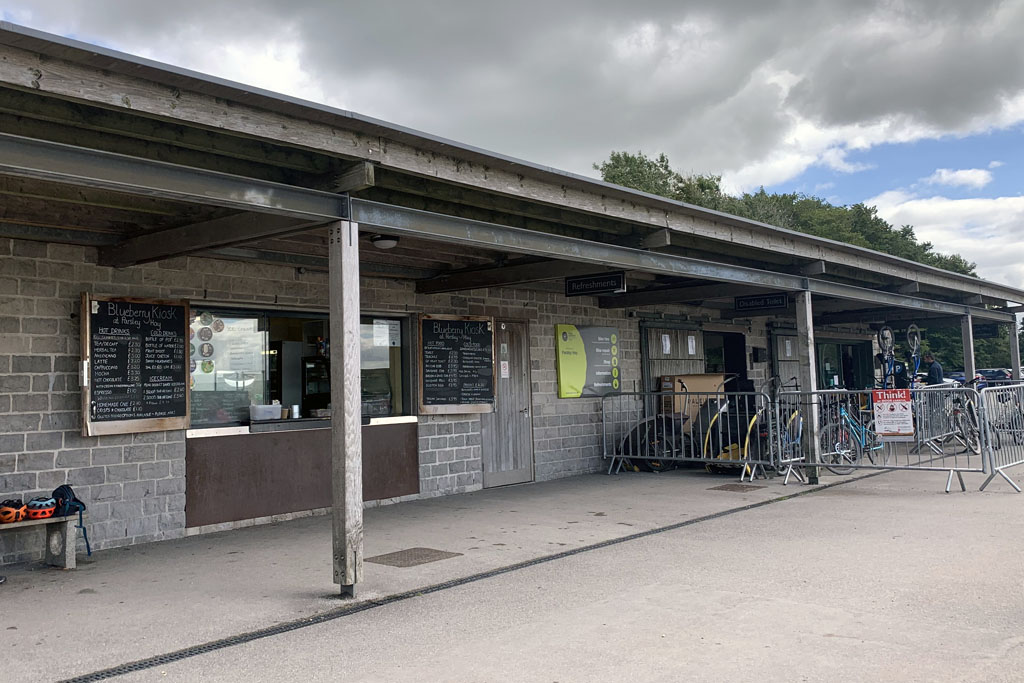
The final stopping point and the end of the trail is two miles further on at Parsley Hay. There are more facilities here, with a take away café, toilets, bike hire and an information office. The carpark is pay and display, but there are a lot of spaces. You can carry on up the High Peak Trail for a further three and a half miles to its conclusion if you want to extend the route.

Parsley Hay Café and Bike Hire

If you like this bike ride, or have any suggestions, please get in touch, it would be good to hear from you. Also if you would like somewhere to stay in the area, we have a lovely cottage that is available for holidays and short breaks throughout the year. Aldergrove Cottage

We also have a facebook page, search for “letslive holidays”, or click the link below. Please like, share and follow us, it is really appreciated.
https://www.facebook.com/LetsLive-Holidays-103806115442908

Waiting Room at Hartington

Featured

Monsal Head Walk – Walks in The Peak District and Derbyshire Dales Pt8 – River Wye, Monsal Head and the Monsal Trail – 4 miles


This is an absolutely brilliant walk along the River Wye, and then climbing up to Monsal Head, before heading down to the iconic Headstone viaduct and tunnel, before returning along the river.

This is a mostly circular walk, that takes in so many fantastic locations and views, meandering along the River Wye, then crossing the river at the weir, and climbing up to Monsal Head, with stunning views over the valley below.

The starting point of the walk is the White Lodge car park on the A6. It is on your right if you are travelling from the direction of Buxton. It is not very obvious, there is a parking sign but not much else. If you get to Ashford in the Water you have gone too far. There is quite a bit of space in the car park and some toilets, it is a pay and display, you can use a card or coins.

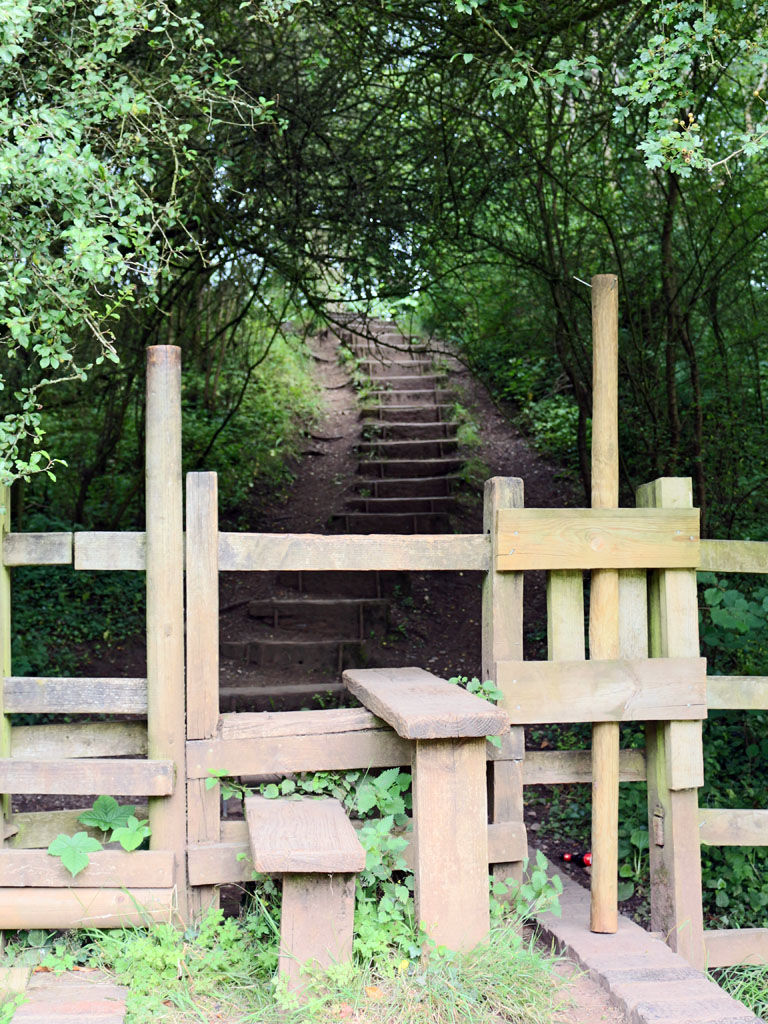
From the car park, you head down a path towards the A6 and cross over to the other side, you will see a stile that you have to climb over, this leads to some more stiles and a small stream with stepping stones. When we did the walk it was very muddy, and both the stream and the river were running very high, so it was a little tricky.

Path to the River Wye

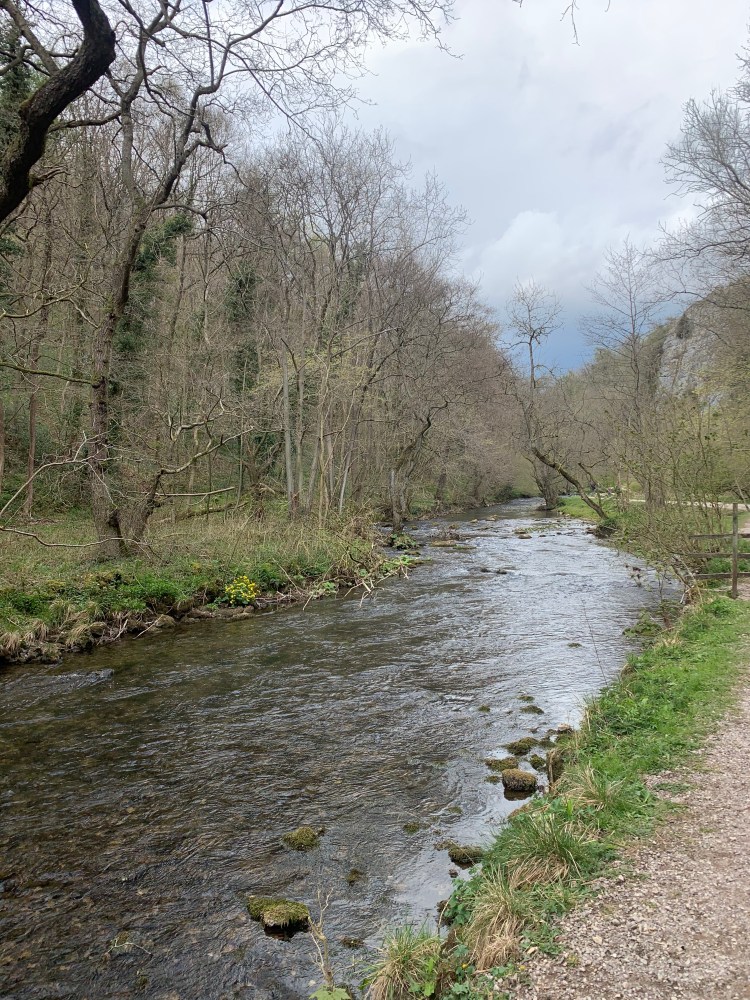
From here the path is obvious, carry straight ahead and it leads to the River Wye. It is a lovely walk alongside the river, with the path dipping in to the woods, and then back to the river bank. There are some big open spaces near the river that would be fantastic for a picnic on a dry day.

River Wye

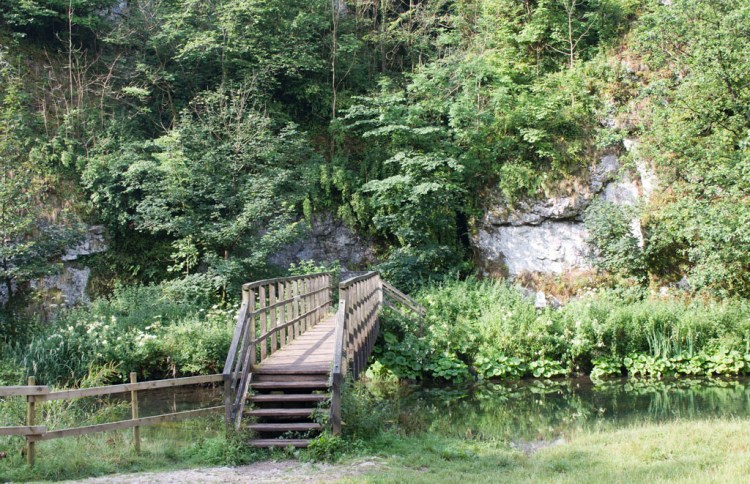
After about half a mile or so you will see the weir ahead of you, and the path either goes straight ahead here, or goes over a bridge and crosses the river to the other bank. We crossed over the river, and followed the path up to the weir.

Wye River Weir
Weir

After leaving the weir, the path starts to climb up the side of the valley, and it can get quite narrow in places. It isn’t particularly steep, but it does climb for some distance, and is a good tester for your thigh muscles. As you climb the path you get glimpses of the Headstone Viaduct through the trees.

Path to Monsal Head

After about half a mile the path leads to Monsal Head, where there is a car park, and refreshments. It is the perfect spot to sit on a bench and soak up the scenic views stretching away down the Wye valley.

View from Monsal Head

From Monsal Head, go through the squeeze stile in the stone wall and take the path down to the Monsal Trail, it descends quite quickly, but does have steps. This leads you to the Headstone Tunnel entrance. We went through the tunnel, and then turned back, but as you are on the trail, you can extend your walk as far as you like from here.

Headstone Tunnel

We returned through the tunnel, and this takes you straight on to the Headstone Viaduct, which has some great views down the valley.

View from Headstone Viaduct

At the far end of the viaduct there is a signpost that points to a path on the left that descends from the viaduct and back down to the river. You get some great views back up to the trail from here, and is a great place to photograph the viaduct from.

Headstone Viaduct

Carry on the path that runs alongside the river and it leads you back to the weir, where we crossed the bridge earlier. Retrace your steps from here to lead back to the car park.

This was one of the best walks we have done, and I highly recommend it to anyone with a reasonable level of fitness, as there are a few climbs and descents.

If you like these walks, or have any suggestions, please get in touch, it would be good to hear from you. Also if you would like somewhere to stay in the area, we have a lovely cottage that is available for holidays and short breaks throughout the year. Aldergrove Cottage

We also have a facebook page, search for “letslive holidays”, or click the link below. Please like, share and follow us, it is really appreciated.
https://www.facebook.com/LetsLive-Holidays-103806115442908

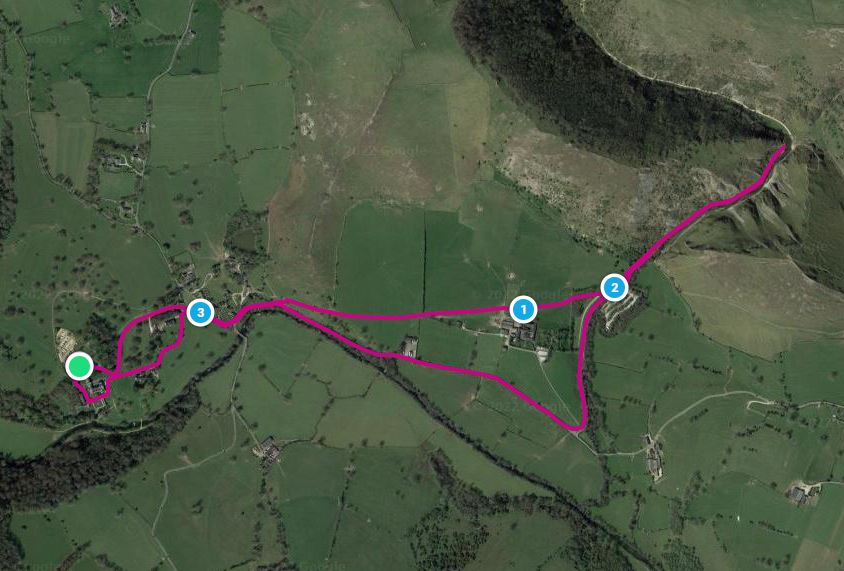
Below is a link to my MapMyWalk site, it outlines the route described above, and there are plenty of other walks there, check it out.

Route Map

Ilam Hall Walk – Walks in The Peak District and Derbyshire Dales Pt7 – Ilam Hall to Dovedale Stepping Stones Loop – 3 miles


A fantastic circular route from Ilam Hall and National Trust gardens to the iconic Dovedale stepping stones.

This walk is quite short, however it takes in many wonderful and interesting places along the route. You can extend the walk if you want, by taking a detour to the top of Thorpe Cloud, or carrying the walk further up the River Dove. I’ll provide some brief information and links for some of the places of note along the way. There are also lots of pictures.

Ilam Hall (pronounced eye-lam) and gardens are located at the far end of the village of Ilam. Part of the original hall is now used and owned by the Youth Hostel Association having been gifted to them by the then owner Sir Robert McDougal. The gardens and “Manifold” tearooms are run by the National Trust. There is a car park here, that is free if you are a National Trust member. https://www.nationaltrust.org.uk/ilam-park-dovedale-and-the-white-peak

You can only go into Ilam Hall if you are staying there, however the gardens are free, including the Italian Garden. There are a great many walks that originate from here. You can head to the Manifold Valley in one direction, or as we did, Dovedale in another one. Check out our other walks around both these places. Walks in The Peak District and Derby Dales Pt5 – Manifold Way – 5.7 miles one way. Walks in The Peak District and Derby Dales Pt6 – Dovedale Loop – 6.2 miles

The Italian Gardens – Ilam

The above picture shows the Italian Garden and the old coach house that is used as a bookstore and Tea rooms. The pictures below are Ilam Hall from the front and from the Italian Garden.

Ilam Hall – Youth Hostel
Ilam Hall from the Italian Garden

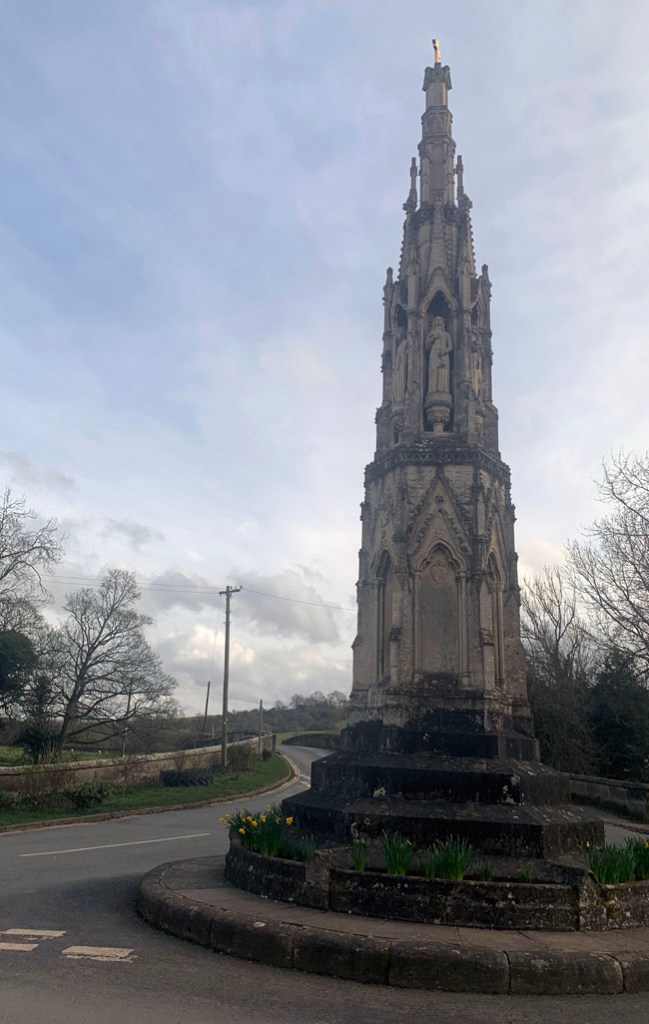
The walk starts from Ilam Hall. Take the path towards the church situated in front of the Hall http://www.peakdistrictinformation.com/attractions/ilamch.php. As you get to the church the path veers to the left and leads to the road. Take a right onto the road until you reach the junction with the memorial cross. A grade two listed monument erected in 1840 and dedicated to Mary Watts-Russell who used to live in the hall, by her husband Jesse.

Ilam Memorial Cross

At the memorial cross take a left and follow the road until you reach a gate on the left hand side that leads to a path that climbs up a shallow hill.

Path to Dovedale

The path continues across fields, and is quite clearly defined. It was very muddy when we walked this (March) and you would need walking boots or wellies. As you continue you will see Thorpe Cloud ahead of you, and you may be able to make out some of the walkers who have ascended.

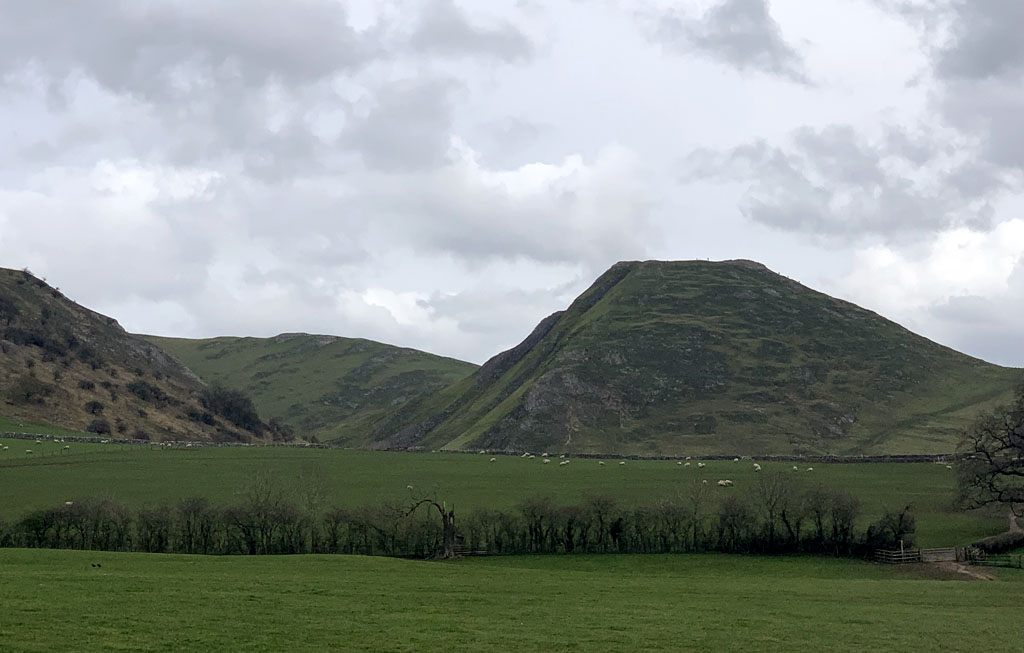
Thorpe Cloud

When you have crossed the fields, a gate exits onto a path, take a left here, and it will lead you to the car park at Dovedale where there are toilets (20p) and refreshments. There is some information here and some maps.

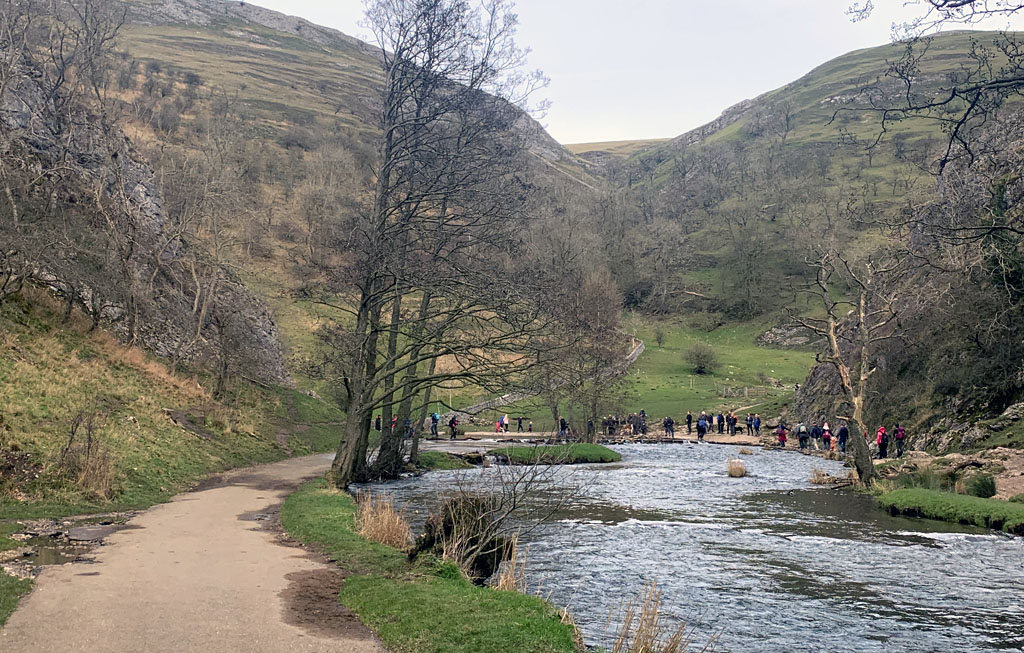
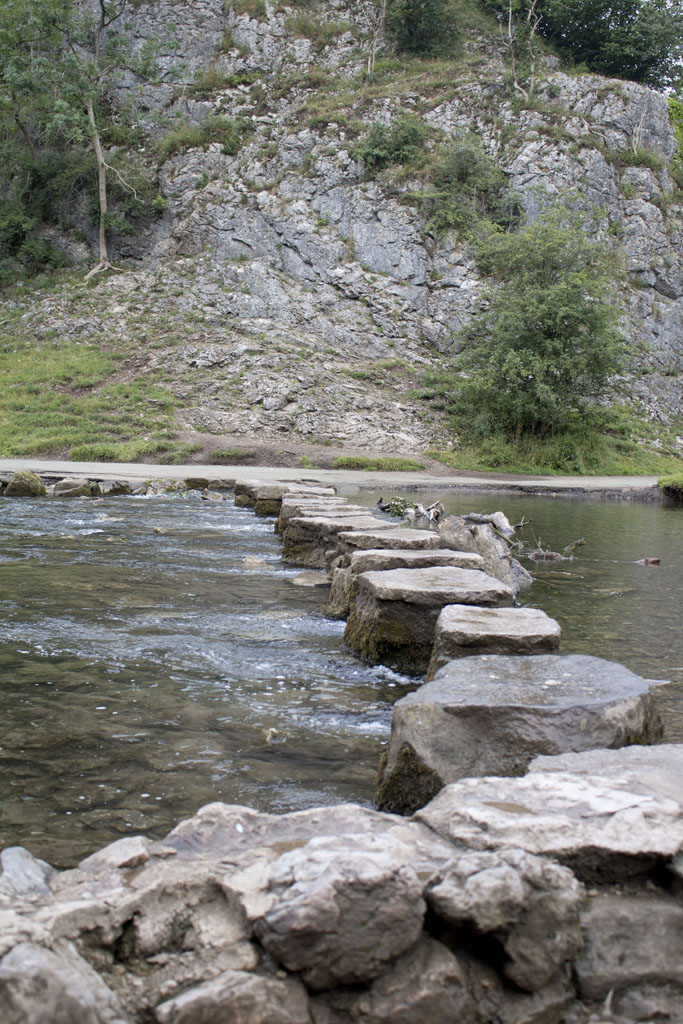
When we were here there had been a lot of rain, and the river was running really high, making the stepping stones almost impassable. If you wanted to carry on further up the River Dove, it was recommended that you cross the river at the bridge about 50m from the car park, and walk on the right hand bank, or walk round the back of Thorpe Cloud, to approach the stepping stones from the other direction.

River Dove – Stepping Stones

We stayed on the left hand bank, and carried on up to the stepping stones. Normally you could cross here, and carry on up the River Dove, or take a right to ascend Thorpe Cloud.

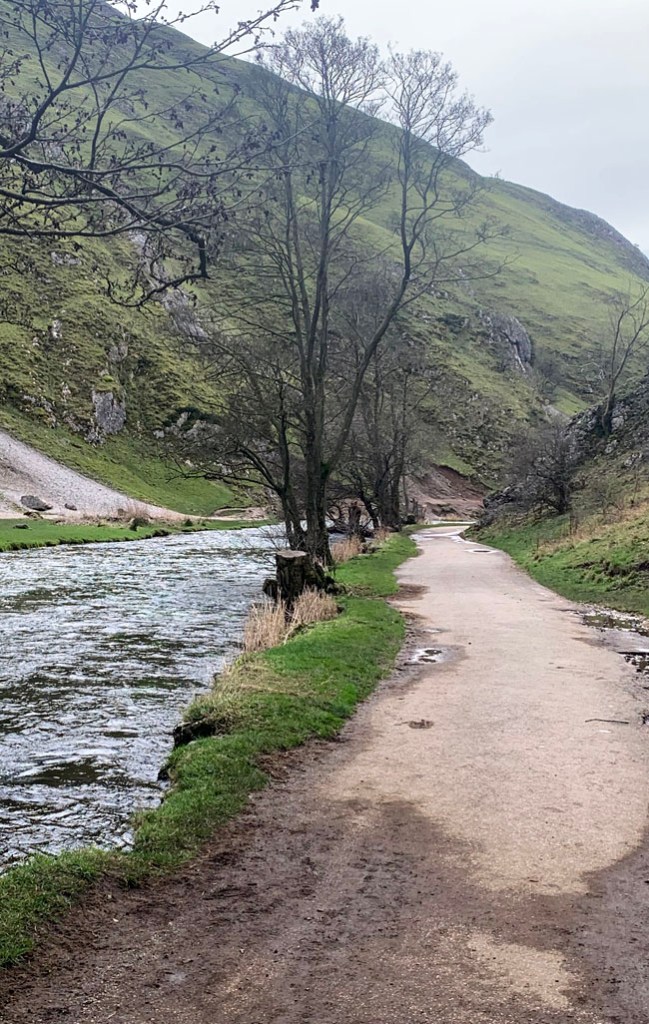
River Dove

You can see how high the river is running in the picture above.

We returned to the car park, along the same path adjacent to the river, and from there, we took the footpath that ran along side the road that exits the car park to a T-junction about 800m from the car park. Take a right here onto Thorpe Road, this is the road that leads back to the Memorial Cross in Ilam. We intended to take another path that leads back to Ilam, but the fields were really bad, and we decided to save that walk for another time.

If you like these walks, or have any suggestions, please get in touch, it would be good to hear from you. Also if you would like somewhere to stay in the area, we have a lovely cottage that is available for holidays and short breaks throughout the year. Aldergrove Cottage

We also have a facebook page, search for “letslive holidays”, or click the link below. Please like, share and follow us, it is really appreciated.
https://www.facebook.com/LetsLive-Holidays-103806115442908

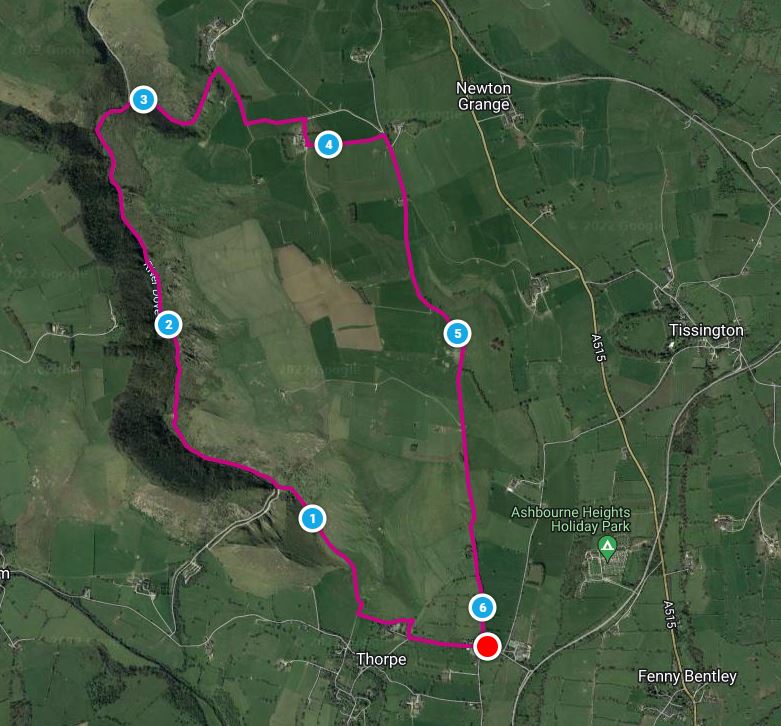
Below is a link on my MapMyWalk site, it outlines the route described above, and there are plenty of other walks there, check it out.

Route Map

Walks in The Peak District and Derby Dales Pt6 – Dovedale Loop – 6.2 miles


A great walk taking in the iconic Dovedale Stepping Stones, Lover’s Leap and the Dove Hole caves.

There are two places to park to start the walk, one is the Narlow’s Lane car park, opposite the Spotted Dog pub just off Spend Lane, in Thorpe. The other is the Thorpe Station carpark, just down the road on the Tissington Trail. They are both free, and the carpark at Thorpe Station is a good place to park for access to the Tissington Trial.

Turn right out of Narlow’s lane car park. Take the road opposite and keeping the Spotted Dog pub on your left walk down the hill towards the village of Thorpe. Carry on for about a quarter of a mile and you will see the hotel The Peveril of the Peak on the right hand side of the road, enter the drive way and immediately on the right hand side, go through a squeeze stile signposted as a footpath, this is part of the Limestone Way.

Sign for Dovedale

Cross the field and over a stile, a National Trust sign indicates you are entering Thorpe Pastures. There is a signpost for Dovedale and Tissington here. Turn left here to follow the public footpath towards Dovedale. There is a firing range on the right of you with warning signs.

Valley Going towards Dovedale

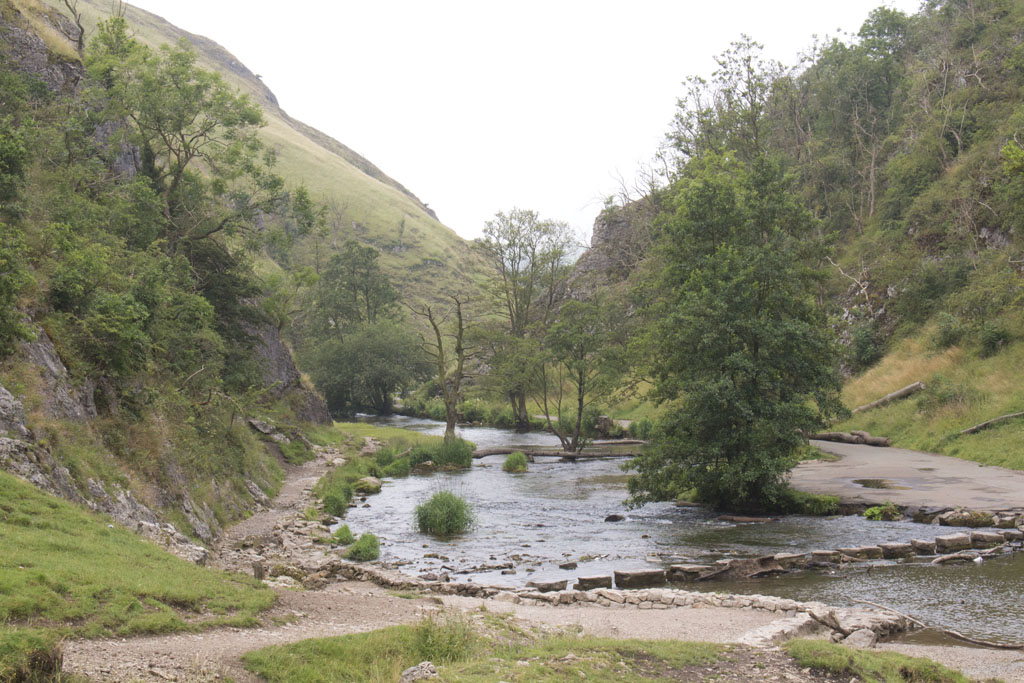
Keep the hotel on your left hand side and follow the path until you get to the end of a stone wall, turn right here and keeping Thorpe Cloud (The big pointy hill) on your left, cross the pasture. Head down the hill to a corner of a fence line, and you can either go over the fence here, or go the right of it and follow the path all the way to the river Dove. You will see the famous Dovedale stepping stones to the left as you approach.

Dovedale and Stepping Stones

Take a right here, and follow the path that is alongside the river on your left, there is a signpost for Milldale 2½ miles.

Keep on the path for about half a mile, and you reach some steps that lead up to “Lovers Leap”, there are places to sit here. After leaving here, you descend some more steps back down to the river level.

You keep going on the path and pass Tissington Spires on your right, llam Rock on your left and eventually the double caves of Dove Holes. Before you get to the Dove Holes you come to a footbridge between two pinnacles of rock but do not cross it.

Bridge on the river Dove

Shortly after you pass the Dove Holes turn right to follow the public footpath sign for Alsop-en-le-Dale 1¾ miles. This is quite a steep path, and in the summer can be quite overgrown with nettles, so come prepared. It climbs up through some woods and exits via a walkers’ gate. Keep straight ahead to a three-way signpost in front of you. There is a defined farm track here, go along it in the direction of Tissington.

As the farm track swings right, leave it and continue straight ahead, to the corner of the walls just to the right of the copse of trees, there was a signpost here for Tissington. Follow the path keeping the farm wall on your right, cross over a wall and turn immediately left following the path. Stay on the path until you get the track that leads to the farm that you can see on your right hand side.

River Dove

Go through the farm yard, and keep an eye out for a stile on your left hand side. Go over the stile and head across the field, keeping straight ahead, you will see another stile, cross over this and keeping the farm wall on your left hand side carry on until you reach Gag Lane. Take a right onto the road, and stay on it for about 2 miles until it returns to the Spotted Dog pub and the car park where you started.
There are plenty of footpaths that lead off the road, if you want to extend the walk, look for the footpath signposted to Tissington. You can pick up the Tissington Trail from here, that leads back to Thorpe station car park.

If you would like somewhere to stay in the area, we have a lovely cottage that is available for holidays and short breaks throughout the year. Aldergrove Cottage

https://www.facebook.com/LetsLive-Holidays-103806115442908

Walks in The Peak District and Derby Dales Pt5 – Manifold Way – 5.7 miles one way


A stunning walk along the Manifold Way in the Peak District.

The Manifold Way follows the route of what was once the Leek and Manifold Valley Light Railway. This independent narrow-gauge railway ran from 1904 until 1934, and was known for the distinctive yellow locomotives that ran on the track, modelled upon those used in India. The line primarily acted as a service for milk trains and tourism. The Manifold Way was opened by Staffordshire County Council only 3 years after the closure of the railway, in 1937.

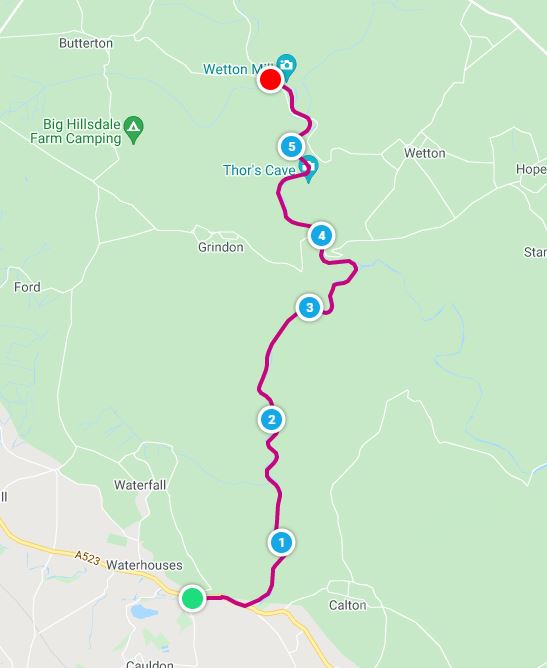
There are two distinct parts to the Manifold Way, the top part that runs from Wetton Mill to Weags Bridge. The bottom part then runs from Weags Bridge to the village of Waterhouses. It is possible to follow the trail further north from Wetton Mill, ultimately ending at Hulme End. Neither part is particularly difficult, and you don’t really need any special gear to complete them.

You can join both parts together, starting at Waterhouses and finishing at Wetton Mill or visa-versa, or break the walk up into two parts, as there is parking at both ends and in the middle. We actually did the walk in two parts on different days, but I will add them together for this description.

We headed into Waterhouses on the A523 and turned off at the “Ye Old Crown Hotel”, the car park is immediately on your left down a small road. It is a pay and display carpark, that only takes coins, so if you park here be prepared. From the car park, keep the buildings on your right, and head down the path that leads to the main road. Follow the road until you reach Brown End Farm. There is a carpark at the Brown End Nature reserve that is free, but is for the reserve only. Head down the path keeping the farm on your left. You can hire bikes from here, it is an easy and comfortable ride.
Start of the Manifold Way at Waterhouses

Keep to the path as it winds through the valley, and crosses over and back the river Hamps which flows when there has been a lot of rain.

Manifold Way – First section

The path carries on through the valley until it reaches the river Manifold at Beeston Tor a limestone cliff that is a popular venue for rock climbing. There are a number of caravans in a field here, keep on the path and veer round to your left, keeping the river on your right hand side. If you chose to take a right here, you can work your way on footpaths to Ilam park. We haven’t done this walk yet, but plan to in the future.

Keeping to the path you get to a free car park at Weags Bridge. There are quite a lot of spaces, and looks a good place to park up. It is about 3 1/2 miles to here. We turned around here and headed back to the car park, we completed the second part of the walk (below) on a different occasion.

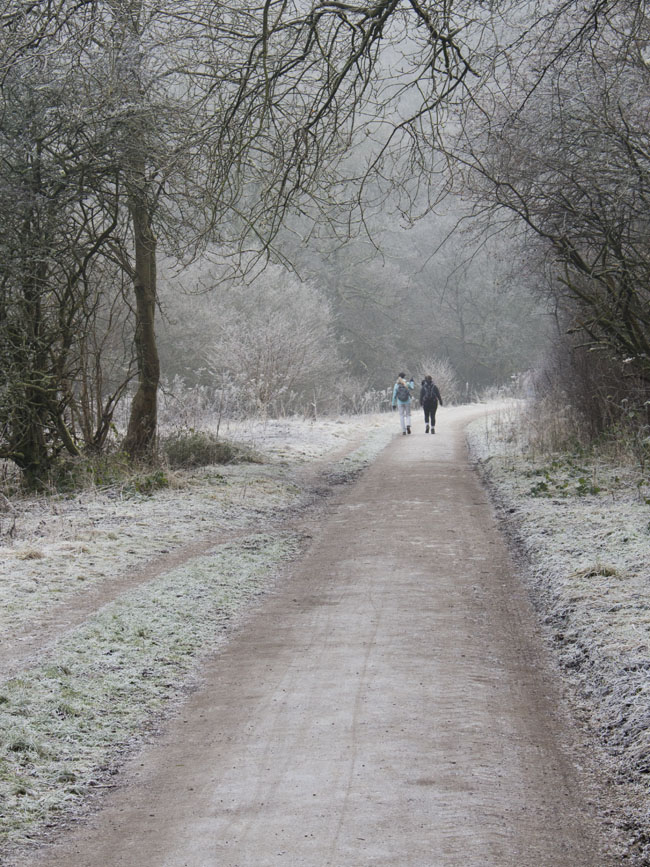
We started the second part of the Manifold Way, at Wetton Mill, but will carry on from Weags Bridge for continuity. It was a really cold January day, and there was ice on the ground and a lot of mist, which made for a really good walk. Keeping to the path you follow the route of the river through the valley, there are more cliffs in this part of the walk, and in general it is more scenic.

Manifold Way – Icy walk

About a mile from the car park you get to Thor’s Cave a natural cavern set in a steep limestone crag, with its huge arched entrance easily visible (and quite accessible) from the footpath below. You can take a detour from here, and explore the caves.

Cliffs above Thor’s Cave

From the caves, stay on the path until you get to a gate that leads onto a road. There is a small car park opposite that is free. Take a left here, on either of the two roads, they go to the same place, and carry on until you reach Wetton Mill. There is a good tearoom here, that does homemade cakes and mugs of tea, perfect for a cold day. Parking here is just for the mill, however there is plenty of parking just past or on the road.

Manifold Way
Stream

If you completed the whole walk it would be just short of six miles one way. If you only have time for one part of the walk I would recommend that you start at Wetton Mill, and return to the tea room for some cake and a cuppa.

If you would like somewhere to stay in the area, we have a lovely cottage that is available for holidays and short breaks throughout the year. Aldergrove Cottage

https://www.facebook.com/LetsLive-Holidays-103806115442908

Walks in The Peak District and Derby Dales Pt4 – Osmaston Park loop – 3 miles


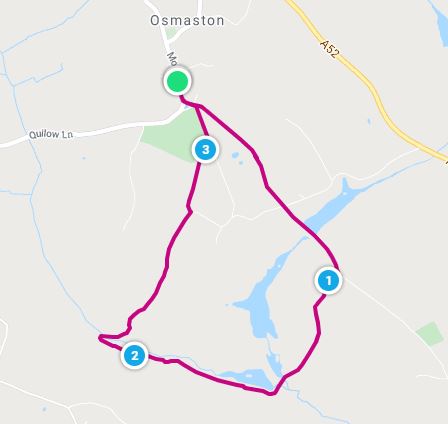
A circular walk from the Shoulder of Mutton pub in Osmaston, through Osmaston Park and back. Total distance 3 miles.

This is a really lovely walk, that has many different elements, woodland, open fields, some interesting buildings, and idyllic countryside, it’s not a long walk, but there are a few hills involved, it’s well worth the time and effort. You may have noticed that quite a few of the walks I’ve posted have a pub somewhere along their route, this is no exception. “The Shoulder of Mutton” in Osmaston is a lovely traditional pub serving good beer and food. Their Sunday lunch is great, and you don’t have to book, I would recommend getting there early to get a table though. https://www.theshoulderofmuttonosmaston.com/

We started our walk from the pub, you can however walk to Osmaston from Ashbourne on the Centenary Way, or Bonnie Prince Charlie footpaths, we have yet to do this walk, but when we do I’ll post it here.

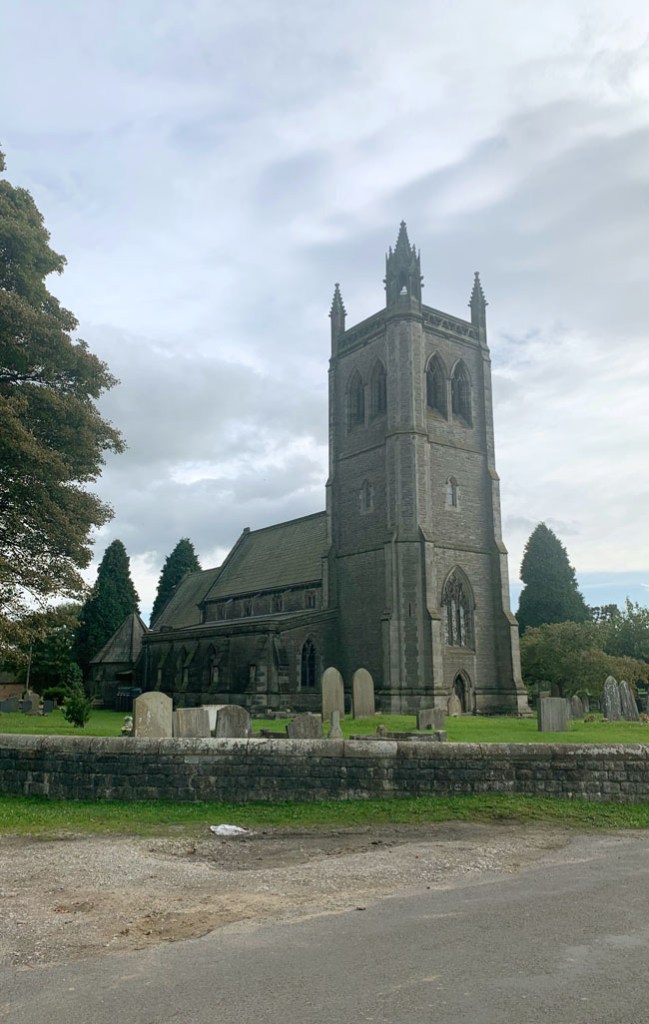
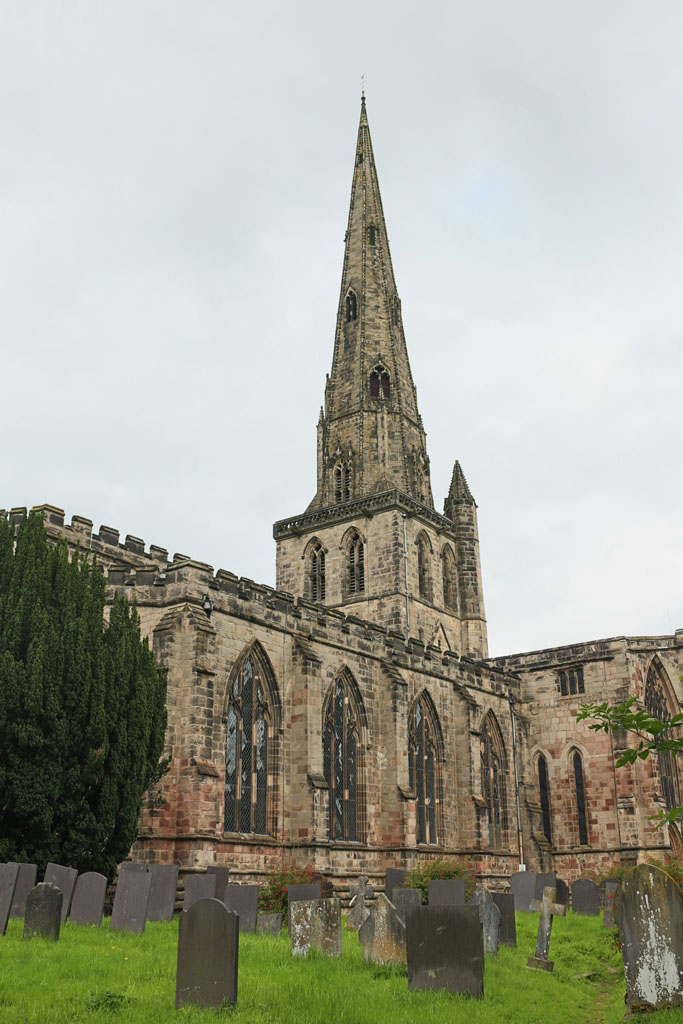
I’ll outline the walk first and then go into a bit of history surrounding Osmaston Manor, as it’s quite interesting. It is also worth walking to the top end of the village (turn right from the pub) to check out St Martin’s church.

If you would like somewhere to stay in the area, we have a lovely cottage that is available for holidays and short breaks throughout the year. Aldergrove Cottage

St Martin’s church Osmaston

Leave the “Shoulder of Mutton” car park, and take a left, this leads to the village green. Keeping the green on your right, you will see the entrance to Osmaston Manor and park. This is a private road, however you do have access as it leads to public footpaths. We will return down this driveway at the end of the walk. To the left of the driveway there is an obvious footpath, take this path.

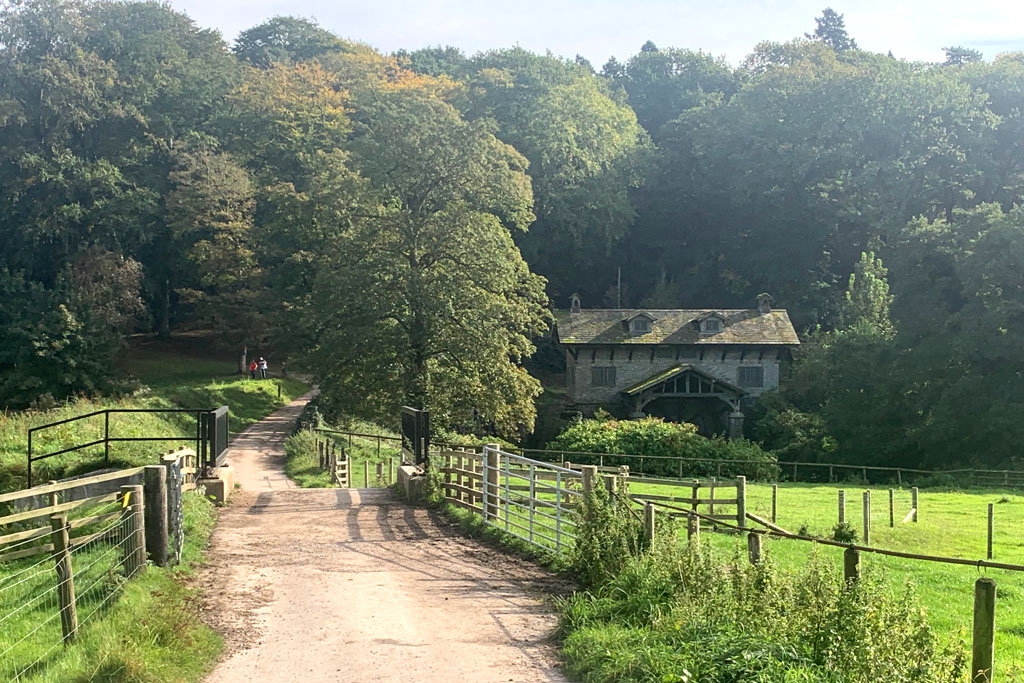
Osmaston sawmill

As the path descends between fields you will see the mill pond and the sawmill. Head down to the sawmill, and cross over the water. The sawmill is on the right. The mill is not accessible unfortunately, but there are plans to redevelop the building.

Sawmill

From the mill stay on the footpath and carry on up the hill until you see a path on the right. Take this path through the woods, for about 500m. There are various side paths, but they are signposted to indicate that they are private property.

After descending down a hill, you will get to some streams that you can cross over using small bridges. After the streams the path opens up into a large field, at this point take a right, and keep the streams and pond on your right hand side. Carry on the path to right hand side of the fields for about 500m, and then you will see a large farmers gate heading back in the direction you came from. Go through this gate, and keep on the path. It was a bit muddy here when we walked it.

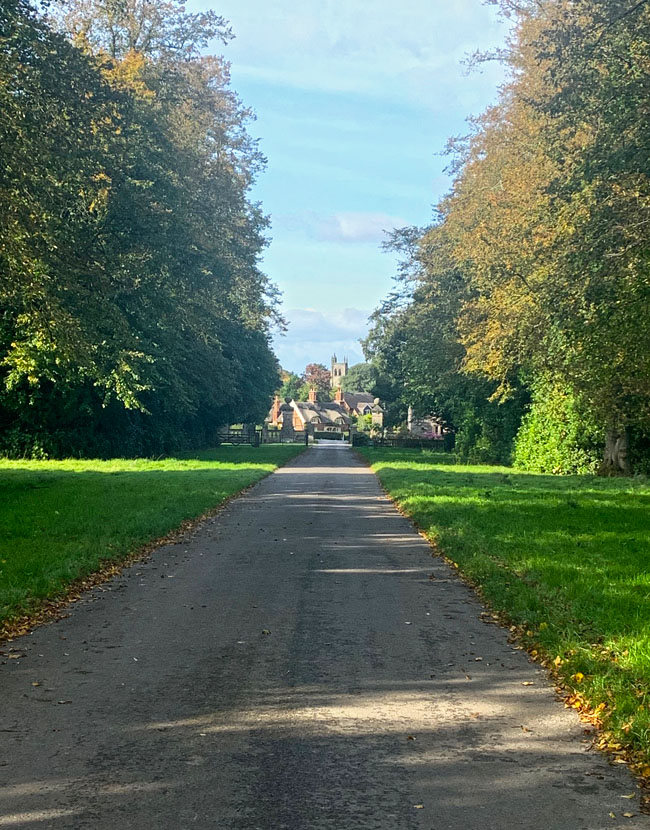
The path goes through some woods, and then climbs towards the site of Osmaston Manor (no longer standing). You will see the mill pond on the right hand side as you ascend. At the top of the hill you will see cottages and working buildings that are used in the estate. Stay on this path, and you get to the driveway of the Estate, that we passed at the start of the walk. Take a left here and you will return to the village green.

Estate driveway with view to Osmaston

Osmaston Manor – a brief history

Osmaston Manor was build between 1845 and 1849 for Francis Wright who inherited the estate from his mother’s family. He married his cousin Selina (1806-1888), the daughter of Sir Henry FitzHerbert of Tissington Hall, in 1830, and they decided to build the Manor to reflect their position in society.

After Francis Wright passed away in 1873, the manor was passed down to his eldest son John Wright. After several unsuccessful business deals John Wright, who had by then changed his name to John Osmaston, decided it was time to sell the Estate.

In 1883 it was announced that the estates of the late Francis Wright at Osmaston were to be sold at auction. Eventually the Estate was bought by Sir Andrew Barclay Walker a business man from Liverpool.

This left John to dispose of the entire collection of valuable painting from the manor, including ‘Monna Lizza’ by Leonardo da Vinci, and ‘The Magdalen’, by Murillo and several works by J.M.W. Turner. The entire collection was estimated to have cost over £150,000, and they all sold at auction for a measly £7000.

Sir Andrew Barclay Walker

Sir Andrew Barclay Walker was a wealthy man with many business interests in and around the Liverpool area. In October 1887 he married for a second time. His bride was Maude, the second daughter of Mr Haughton Charles Okeover, a family of very old standing and who had held the lordship of Okeover for over 700 years.

In February 1892 Sir Andrew died from a long standing illness leaving the Osmaston estate, together with its contents to his eldest son, Peter Carlaw Walker.

Sir Peter Carlaw Walker (1854-1915)
Sir Peter Carlaw Walker, was just 38-years-old when he inherited Osmaston Manor. In 1899 Sir Peter married Ethel Blanche Okeover, In November 1902 Sir Peter and Lady Walker celebrated the birth of their son and heir, Ian Monro Walker. In 1915 Sir Peter became ill and passed away. At the age of 13 Ian Monro Walker inherited the Osmaston Manor estate along with the death duties associated with it.

Ian Monro Walker (1902 – 1982)

Ian would manage the estate whilst adding to his property portfolio, and the manor was used during the second world war by the red cross to treat injured soldiers. The end of the war highlighted the many problems facing many landowners. In 1946 Sir Ian Walker announced his intention to leave Osmaston Manor and take up residence at Okeover Hall which had recently come into his possession.

In the 1960’s Osmaston Manor became too expensive to maintain, and in 1965 the Walker-Okeovers made the decision to demolish the house.

Present Day

The Osmaston Estate is still owned by the Walker-Okeover family. It is managed by Sir Andrew Peter Monro Walker-Okeover and Lady Philippa Walker-Okeover. The foundations of Osmaston Manor still exist and the grassed terraces, ponds, stone steps and balustrades have been restored. Today it is called Osmaston Park and serves as a wedding venue where elaborate marquees stand on the site of the former manor house

https://www.facebook.com/LetsLive-Holidays-103806115442908

Walks in The Peak District and Derby Dales Pt3 – Short walk through St Oswald’s Church yard and the Tissington Trail Tunnel


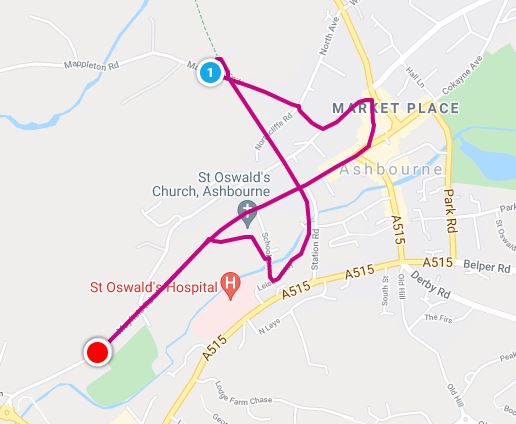
A nearly circular walk from the cottage through St Oswald’s church yard, and through the tunnel at the start of the Tissington Trail. Total distance 2 miles.

A lot of the walks from the cottage start or end up at the Tissington Trail, so this is a quick guide that takes you to the start of the trail and through the tunnel (where you can hire bikes) and then into Ashbourne, and back to the cottage.

There are many ways to get to the trail directly from the cottage, but if you want to walk through the tunnel this is the most direct route. This walk is again posted on my “Map My Walk” page here: https://www.mapmywalk.com/routes/view/4810479925

To start, take a left out of the cottage and head towards Ashbourne, take the first tarmac path into the grounds of St Oswald’s church and keeping the church on your left, carry on until you see a path on the right hand side, this goes past the church hall, and some historic buildings. At the end of the path take a right onto school lane, cross over Henmore Brook and you will see the leisure centre in front of you.

Take a left and carry on through the car park, and you will see the start of the Tissington Trail tunnel in front of you.

St Oswald’s church

The Tissington Trail is part of the railway network that was closed under the Beeching reforms of 1967, which saw thousands of stations and hundreds of branch lines closed down.

In 1968 the line was acquired by the Peak Park Joint Planning Board. The Board removed the track bed, station buildings, platforms and other features as at the time these were considered to be eyesores.

In 1971 the 13 mile Tissington Trail opened for walkers, cyclists and horse riders. The original Hartington signal box was kept as an information centre for many years.

Go through the tunnel and at the far end you will see a bike hire business, a café and some toilets. You can carry on up the trail from here, it’s a lovely walk, and there are various points of interest as you progress, I will write a more comprehensive guide to the trail shortly.

If you choose to return from here, take a left through the carpark and then a left onto Mappleton Road towards Ashbourne. When you get to the end of the road, go straight across onto Dovehouse Gardens and then a left onto Union Street. This will bring you to the market square in the centre of Ashbourne, a perfect place for a cup of tea. Carry on through the square and onto St John’s Street, which becomes Church Street, which then becomes Mayfield Road, and back to the cottage.

If you like this walk or any others posted here, please head over to our Facebook page, and click like and follow us, also if you have any amendments to this guide please let me know. https://www.facebook.com/LetsLive-Holidays-103806115442908

Walks in The Peak District and Derby Dales Pt2 – Walk to Mappleton from Ashbourne (on footpaths)


Walk to The Okeover Arms in Mappleton on Public Footpaths (and a few roads)

Yesterday I posted a walk we had taken to the Okeover Arms in Mappleton on the roads, because we didn’t have more than one pair of boots with us. Walks in and around Ashbourne

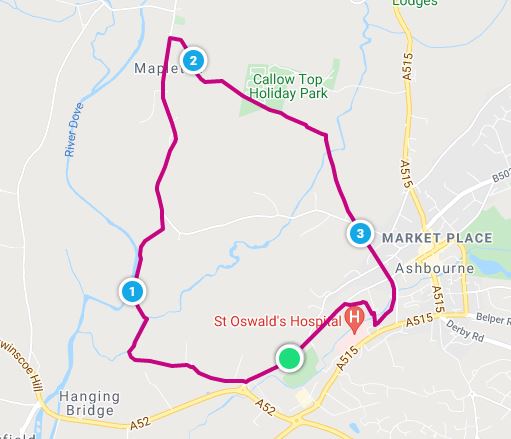
So as a counterpoint, today I will show you a walk to the same place on public footpaths, these should be OK to walk in winter, however it was dry and sunny when we did this walk, so I can’t be too sure. This walk is again posted on my “Map My Walk” page. https://www.mapmywalk.com/routes/view/4686002188

Before I describe the walk, I just want to say that the Okeover Arms is a lovely traditional pub, that does great food. They have a carvery on a Sunday, but it gets really busy, so it is best to book. On a nice day there is plenty of room outside to enjoy a meal or a nice cooling drink. I’ll do a review at some point along with a few other local pubs.

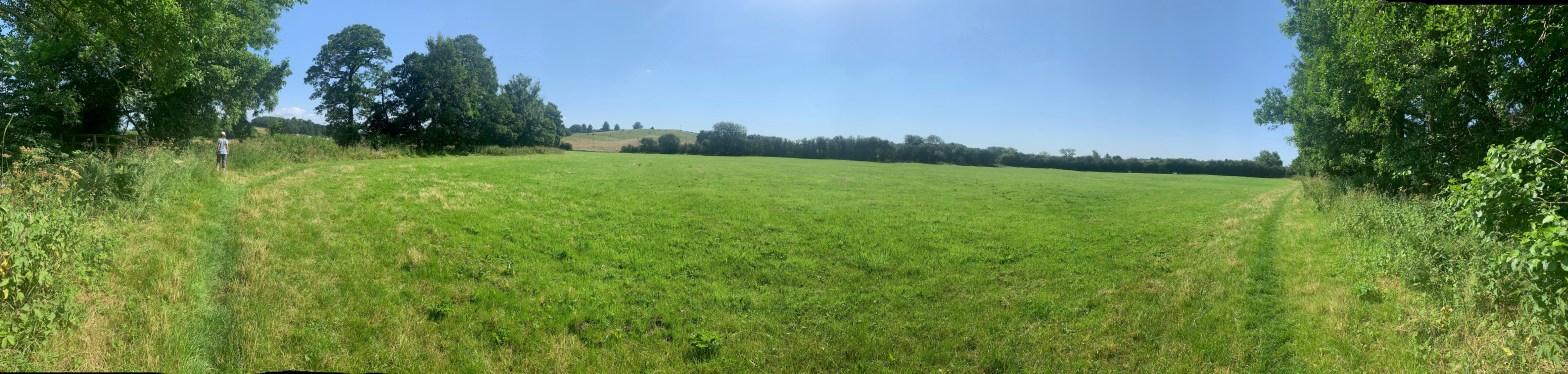
To start take a right out of the cottage and head up towards the roundabout, with the cemetery on your right head up the small road, you will see some allotments, keep going and then you will see a large gate, it looks like a dead end, but just before on the left there is a sign for a public footpath and a small gate. Go through and take a right, you should be able to see a path here. Keep going over one stile, and you will see a farm on the left, then through two small gates. You now need to take a right and loop back into the adjacent field, keeping the stream on your left. If you carry on straight it will lead all the way to the river Dove, if you get this far you need to backtrack a short way.

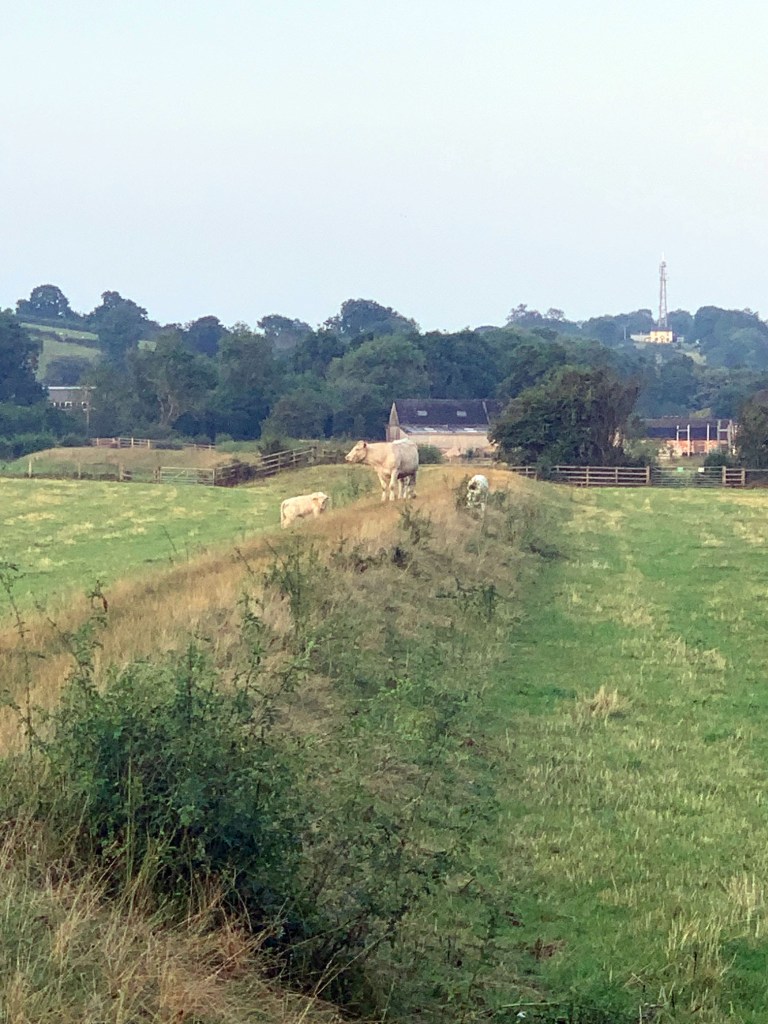
This photo is where you would end up if you go too far, looking back at the fence line you need to keep to, the exit is on the left of the picture.

Mappleton Walk

Enter the next field, and keeping the stream to your left carry on to the corner of the field, here you will see a wooden bridge over the stream, cross the bridge and keeping the hedge to your right carry on to the corner of the field. Carry on through this field with the hedge now on the left. Head to the far corner, it gets a bit overgrown here, but there is a path go through here into the next field. Aim slightly right and you will see a gate and stile at the other side of the field, go through these and follow the path up to the road. You are now on the Mappleton Road, this leads to the Oakover Arms, which is a good place for a refreshment stop. Just before you get to the pub, there is a sign for a public footpath on the right, it goes between a couple of houses, you need to take this on your return.

Take the path mentioned above. At the end of the short path it opens onto a large field, up the hill to your right you will see a break in the hedge line, head towards here and go through the gate. Carry on up the slope keeping the hedge to your left and going straight ahead, and pass through a stile in front of you. Across this field is gate that leads to Callow Top Holiday Park. Keep straight on this path through the next few fields, and at the bottom of the steep field, go over the stile and climb the steps onto the Tissington Trail. Take a right onto the trail and follow it. You will see the tunnel of the old railway line ahead. Go through the tunnel and this leads you to the car park at the rear of the leisure centre.

From here you can go either left and back on to Mayfield Road, or right and round the car park, and head towards St Oswald’s Church and through the church yard back to Mayfield Road.

If you like this walk or any others posted here, please head over to our Facebook page, and click like and follow us, also if you have any amendments to this guide please let me know. https://www.facebook.com/LetsLive-Holidays-103806115442908

Walks in The Peak District and Derby Dales Pt1 – Walk to Mappleton from Ashbourne (on roads)


Walk to The Okeover Arms in Mappleton on the roads (five miles)

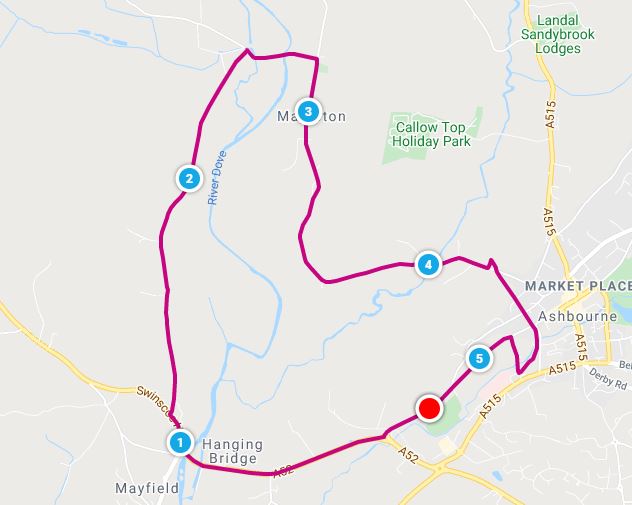
We had booked Sunday lunch at the Okeover Arms in Mappleton (also known as Mapleton) and had originally planned to walk there via the footpaths at the back of the cottage. However the weather has been very wet, and we had somewhat foolishly only brought one pair of shoes each. So we decided to walk on the roads instead and this is the way we went.

We left the cottage and took a right onto Mayfield Road, and continued to the roundabout and carried straight across on to the A52 towards Mayfield, this is quite a busy road, but the footpath is quite wide. Keep going and you will pass the Royal Oak pub on the right, which is also serves good food. and over the river Dove. Follow the road round to the right until you get to a turning on the right (Birdsgrove Lane), take this. After about a mile this leads into the Okeover Hall park, a really serene and quiet space that is part of the privately owned Okeover Hall estate.

Towards the end of the lane you will see Okeover Hall on the left and All Saint’s Church. When you reach the end of the road at the T junction, take a right on to Yerley Hill. This takes you towards Mappleton, and goes over the bridge where it is customary on New Years Day to jump off into the river Dove. Carry on to the end of the road take a right and you will see the Okeover Arms on the other side of the road.

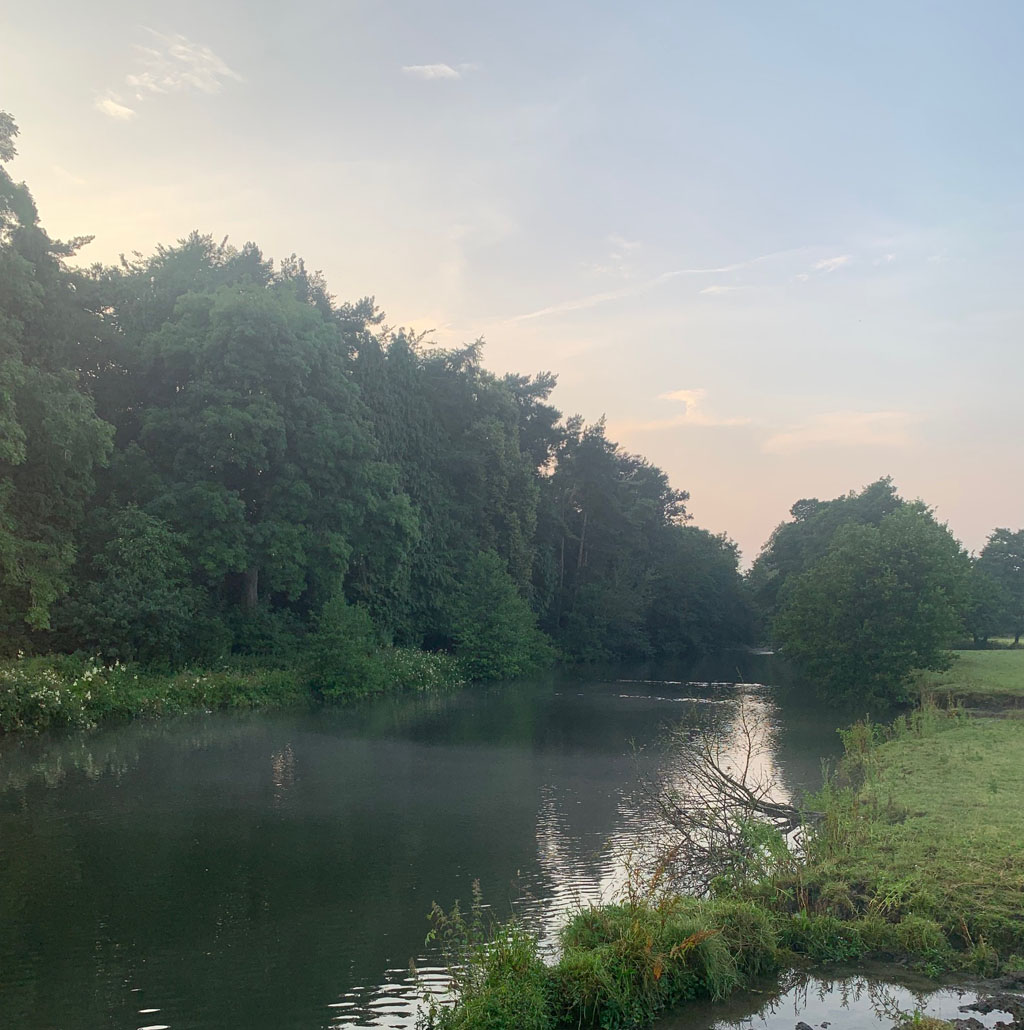
This is the River Dove just behind the Royal Oak pub on the Mayfield Road
River Dove

After a rather pleasant Sunday Lunch, we headed back to Ashbourne, taking a left from the pub onto the Mappleton Road. Carry on for about 2 miles until you get the Tissington Trail sign and enter the car park here. You will see the tunnel of the old railway line on the right. Go through the tunnel and this leads you to the car park at the rear of the leisure centre.

From here you can go either left and back on to Mayfield Road, or right and round the car park, and head towards St Oswald’s Church and through the church yard back to Mayfield Road.

The walk is relatively easy and is just over five miles, and is well worth the effort. Click the link below to open up the walk on my “Map My Walk” page. There are some more walks on the page and I will be adding more soon.